



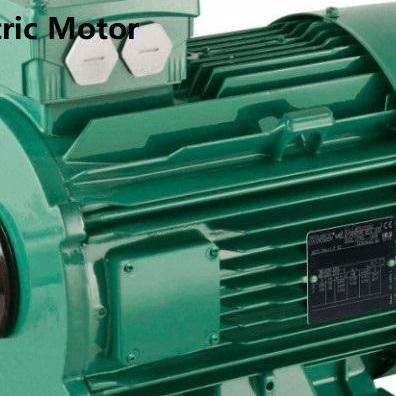
Enterprises operating industrial equipment constantly review their power usage patterns because electricity forms a substantial portion of ongoing expenses in manufacturing and processing environments. Among the components that influence overall consumption, electric motors stand out due to their widespread deployment across pumps, fans, compressors, and conveyor systems. The High-efficiency IE3 Industrial Electric Motor from guanfengmotor represents one category designed to address these considerations through adherence to recognized international efficiency frameworks. Facilities examining upgrades often wonder exactly how such choices translate into measurable differences in daily operations.
Electric motors consume significant shares of industrial electricity worldwide, frequently running for extended periods under varying load conditions. When organizations assess replacements for older units, they focus on factors including efficiency ratings that determine how effectively input power converts into mechanical output rather than dissipating as heat. IE3 classification motors achieve defined performance levels that reduce losses compared with lower categories, creating opportunities for facilities to direct resources toward core activities instead of utility payments. Engineers at Guanfengmotor develop these products with attention to materials, winding techniques, and structural designs that support consistent operation while fitting standard installation requirements.
Consider a typical production site where multiple motors operate simultaneously throughout shifts. Over thousands of hours annually, even modest improvements in conversion efficiency accumulate into substantial reductions in total energy drawn from the grid. Companies report that switching to higher efficiency classes often results in noticeable changes to monthly bills, particularly in regions where electricity rates fluctuate or where operations continue around the clock. The design philosophy behind Guanfengmotor products emphasizes durability alongside efficiency, allowing equipment to maintain performance levels over extended service intervals with routine care. This combination helps organizations plan maintenance schedules more predictably and avoid unexpected interruptions that affect output targets.
Beyond direct electricity metrics, facilities gain advantages in thermal management because lower loss motors generate less internal heat during operation. Reduced temperatures contribute to longer intervals between component servicing for bearings, insulation, and related elements. Production teams appreciate equipment that integrates smoothly into existing control architectures without requiring extensive modifications to mounting arrangements or electrical connections. Guanfengmotor maintains comprehensive manufacturing capabilities that enable customization to match specific application demands, from basic constant-speed duties to those involving variable frequency drives for optimized speed control according to process requirements.
Economic evaluations of motor fleet upgrades typically examine total ownership expenses rather than initial purchase figures alone. Many industrial sites discover that the period required to offset any differential investment through reduced consumption falls within reasonable timeframes when usage hours reach common industrial thresholds. Environmental considerations also enter decision processes as organizations track carbon footprints and compliance with evolving standards. Efficient motors support these objectives by decreasing overall demand on power generation sources, thereby contributing to broader sustainability initiatives without compromising throughput or reliability.
Applications span numerous sectors including food processing, water treatment, material handling, and chemical production. In each context, the motor must deliver steady torque while withstanding environmental factors such as dust, moisture, or temperature variations. Guanfengmotor engineers incorporate protective features and insulation classes that address these challenges, resulting in products suited for continuous duty cycles. Teams responsible for facility upgrades appreciate suppliers who provide detailed specifications, technical support, and documentation that simplify selection and commissioning processes.
Implementation involves careful assessment of current motor inventories to identify candidates offering the greatest potential impact. Factors include operating hours, load profiles, and accessibility for replacement activities. Many organizations adopt phased approaches, beginning with high-duty applications before extending to the broader fleet. This strategy allows verification of projected outcomes while distributing capital requirements over time. Technical personnel often conduct measurements before and after installations to document actual performance shifts under real operating conditions.
Maintenance practices remain straightforward with these motors when following manufacturer guidelines regarding lubrication, alignment, and periodic inspections. Proper installation ensures that efficiency gains realize fully throughout the service life. Guanfengmotor resources assist customers in understanding these procedures, fostering long-term partnerships that extend beyond initial transactions. As industries evolve toward greater automation and precision control, motors that support integration with modern drive systems become increasingly valuable assets.
In summary, organizations evaluating their equipment portfolios frequently identify electric motors as areas where strategic choices yield ongoing operational impacts. By examining offerings available through specialized manufacturers, decision makers can align technology selections with both immediate financial objectives and longer-term environmental targets. For detailed product information including single phase asynchronous motor variants that complement three-phase lines, visit https://www.guanfengmotor.com/product/single-phase-asynchronous-motor/ where specifications and application notes provide further guidance for tailored implementations across diverse industrial settings. What steps will your facility take next to optimize its motor-driven systems?