



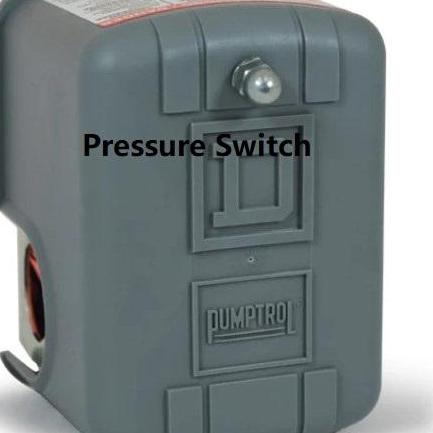
Modern water systems need stable pressure and dependable pump operation, especially when demand changes during the day. A High Pressure Switch Water Pump can help manage pressure conditions and coordinate pump operation, while a properly selected High Pressure Switch Water Pump can also support convenient water delivery in residential, agricultural, and commercial applications. monroswitch focuses on practical pump control solutions designed for stable operation and easier system management.
Maintaining More Consistent Water Pressure
Water pressure can change for many reasons. Several taps may be opened at the same time, a storage tank may become low, or water demand may suddenly increase. Without suitable control, these changes can make a pumping system less predictable.
A pressure switch provides a practical way to respond to changing pressure conditions. When system pressure reaches a configured level, the switch can send the appropriate signal to control pump operation.
This approach is useful in homes where water demand changes throughout the day. A shower, kitchen faucet, washing machine, or garden outlet can create different pressure requirements. Automatic control helps the pump respond without requiring users to operate it manually each time.
Commercial buildings and workshops can have similar needs. Water may be used at multiple outlets, and maintaining suitable pressure can make daily operations more convenient.
Agricultural systems may also benefit from pressure-based pump control. Irrigation and water distribution systems often require predictable operation, particularly when water must reach different areas of a property.
The exact pressure settings depend on the system design. Pump capacity, pipe dimensions, water source, elevation, storage tanks, and outlet requirements should all be considered before configuring the equipment.
Applications Across Different Water Systems
Pressure control technology can be used in a wide range of water supply installations. Residential booster systems are a common example because homeowners often want reliable water pressure without continuously monitoring the pump.
In larger houses or multi-level buildings, elevation can influence pressure requirements. A properly designed system can help provide more consistent water access across different floors and outlets.
Agricultural applications may involve pumps supplying irrigation lines, tanks, or other water distribution equipment. Pressure control can help coordinate operation when water demand changes between different sections of the system.
Small commercial facilities can also use pressure-controlled pumping systems. Restaurants, workshops, cleaning areas, and service facilities may need water at different times, making automatic pump operation useful.
Industrial environments can have more specialized requirements. Pumps may support cleaning, process water, equipment cooling, or general utility functions. In such cases, the pressure switch needs to be selected according to the specific application and operating conditions.
Water storage systems are another important application. When a tank is combined with a pump and pressure control device, the components need to work together correctly to avoid unnecessary cycling or unstable operation.
Selecting suitable control equipment begins with understanding the complete water system rather than focusing on the switch alone.
Practical Features for Pump Protection
Pump protection is an important part of reliable water equipment. A pressure switch can help control operation, but other system conditions should also be considered.
Frequent cycling can place additional stress on a pump motor. If a pump starts and stops too often, electrical and mechanical components may experience increased wear. Proper pressure settings can help create more suitable operating cycles.
Dry running is another concern. If a pump operates without enough water, overheating and mechanical problems may occur. Where appropriate, additional protection functions can be used to respond to low-water conditions.
Electrical overload can also affect pump performance. A motor working under abnormal conditions may draw excessive current or experience additional heat. Appropriate protective equipment can provide an extra layer of safety.
The switch itself should also be installed in a suitable location. Moisture, dust, temperature changes, and vibration may affect equipment depending on the environment.
These considerations show why pressure control should be treated as part of a complete pump system. Correct component selection, installation, configuration, and maintenance all contribute to dependable operation.
Selecting and Installing the Right Equipment
Before purchasing a pressure switch for a pump, users should check several technical details. Pump voltage and power are among the first specifications to confirm.
The required pressure range is equally important. The starting and stopping pressures should match the characteristics of the water system and the connected pump.
Connection type and pipe size should also be checked. A mismatch can make installation more difficult and may affect the overall system arrangement.
Environmental conditions deserve attention as well. Equipment installed outdoors or in damp areas may require suitable protection against moisture and other external influences.
Electrical wiring should follow the manufacturer's instructions and applicable safety requirements. If users are not qualified to handle electrical installation, professional assistance should be considered.
After installation, testing should be performed to confirm that the switch responds correctly as pressure changes. Checking start and stop behavior can help identify incorrect settings before regular operation begins.
Regular maintenance is also useful. Inspecting connections, pipes, pressure conditions, and pump performance can help detect potential issues early and maintain reliable operation over time.
Building More Reliable Pump Systems
As water supply technology develops, users increasingly expect pumping systems to provide convenient operation without unnecessary complexity. Pressure switches can contribute to this goal by helping coordinate pump activity with actual system conditions.
Future water systems may combine pressure control with electronic monitoring, sensors, remote communication, and automated management. These technologies can give users more information about system status while supporting more responsive operation.
Energy efficiency will also remain an important consideration. Avoiding unnecessary pump operation can help reduce energy consumption and may contribute to longer equipment service life.
For residential users, reliable pressure control can make everyday water use more comfortable. For farms and businesses, it can simplify equipment management and reduce the need for constant supervision.
However, good results depend on correct system design. The pump, pressure switch, pipes, storage equipment, electrical components, and water outlets should be considered together.A properly selected control solution can provide a practical balance between convenience, pressure stability, and pump protection. For more information about pressure control products and water pump solutions, visit https://www.monroswitch.com/ .