



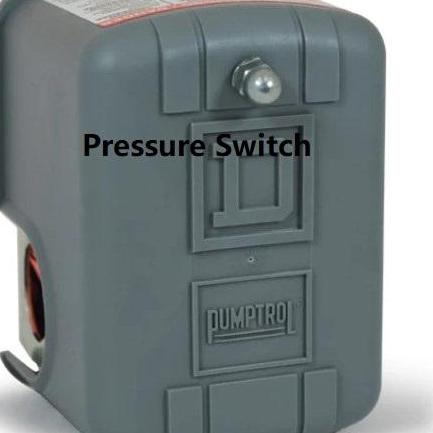
Industrial systems today require accurate monitoring technologies to maintain safe and efficient operations across a wide range of applications. In facilities handling fluid storage, pumping systems, and process automation, Water Level Switch devices play a crucial role in preventing overflow, equipment damage, and operational instability. As industries continue moving toward smarter infrastructure and automated control systems, monroswitch develops dependable monitoring technologies designed to support long-term performance in demanding environments.
The Growing Need for Advanced Liquid Monitoring
Modern industries depend heavily on efficient liquid management systems. Water treatment plants, chemical facilities, agricultural operations, marine systems, and manufacturing plants all require precise monitoring to maintain operational balance. Even small fluctuations in fluid levels can lead to reduced productivity, equipment wear, or safety risks.
Traditional manual inspection methods are becoming less practical as industrial operations grow more complex. Automated monitoring technologies allow operators to supervise fluid systems continuously without requiring constant human intervention. This shift not only improves efficiency but also reduces the possibility of human error.
Industrial managers increasingly prioritize solutions that combine reliability, durability, and easy integration with automated systems. Accurate monitoring devices help maintain stable operating conditions while minimizing unexpected shutdowns and maintenance expenses. These technologies support better resource management and improved operational planning across many industries.
Monroswitch Engineering for Harsh Environments
Industrial environments often expose monitoring equipment to challenging operating conditions. Moisture, vibration, corrosion, temperature fluctuation, and chemical exposure can significantly affect product performance if components are not properly engineered.
To address these challenges, manufacturers focus on high-quality materials and durable structural designs. Protective sealing systems help prevent contamination, while corrosion-resistant materials extend operational lifespan in demanding environments. Precision calibration also contributes to consistent monitoring performance during long-term industrial use.
Reliable equipment design is particularly important in facilities operating continuously around the clock. Downtime caused by equipment failure may result in production delays, increased labor costs, and financial losses. Durable monitoring systems therefore provide both operational and economic advantages for industrial businesses.
In addition to physical reliability, installation flexibility has become increasingly important. Modern facilities often require components compatible with existing automation infrastructure. Products designed for simplified integration reduce installation complexity and support efficient system upgrades.
Smart Automation and Process Efficiency
The rise of smart manufacturing continues to reshape industrial operations worldwide. Automation technologies now extend beyond simple machine control and increasingly involve real-time monitoring, data collection, and predictive analysis.
Accurate liquid monitoring systems contribute directly to operational efficiency by helping facilities optimize fluid distribution and equipment performance. Automated response mechanisms can activate pumps, trigger alarms, or shut down machinery when abnormal conditions are detected. These capabilities reduce unnecessary energy consumption while protecting critical infrastructure.
Digital monitoring systems also provide valuable operational insights. By collecting performance data continuously, businesses can identify trends, detect inefficiencies, and improve maintenance scheduling. This proactive approach reduces emergency repairs and improves long-term productivity.
Remote monitoring capabilities have become another major advantage in industrial automation. Technicians can supervise equipment conditions from centralized control rooms or off-site locations, allowing faster responses to operational issues. This flexibility is especially valuable in large facilities where manual inspection may be time-consuming or difficult.
Water Level Switch Applications Across Industries
Industrial monitoring technologies support an extensive range of applications across global markets. Fluid management systems are essential in industries that require precise operational control and continuous process stability.
In water treatment facilities, monitoring systems help regulate storage tanks and filtration processes. Accurate fluid management ensures stable system performance while supporting environmental compliance standards. In agricultural operations, automated irrigation systems rely on dependable monitoring to manage water distribution efficiently.
Marine engineering also benefits from advanced liquid monitoring technologies. Bilge systems, ballast tanks, and onboard cooling systems require reliable fluid control to maintain vessel safety and operational stability. Similarly, manufacturing facilities depend on monitoring equipment to protect cooling systems, production tanks, and process machinery.
Energy production facilities use monitoring technologies to support safe operation of boilers, cooling systems, and fluid storage infrastructure. Consistent monitoring reduces the risk of operational disruption while improving equipment protection in high-demand environments.
Future Innovations in Industrial Monitoring
The future of industrial monitoring technology will likely focus on greater connectivity, efficiency, and predictive intelligence. As industries adopt more advanced automation strategies, monitoring systems will continue evolving to support increasingly sophisticated operational requirements.
Wireless communication capabilities are expected to become more common, allowing simplified installation and greater flexibility for industrial infrastructure expansion. Artificial intelligence and machine learning may also improve predictive maintenance by analyzing operational data and identifying early signs of system wear.
Environmental sustainability will remain an important factor influencing industrial equipment development. Energy-efficient technologies and durable product designs help businesses reduce waste and improve operational responsibility. Manufacturers are expected to continue investing in advanced engineering approaches that balance productivity with sustainability goals.
Customization will also grow in importance as industries demand specialized solutions tailored to unique environmental conditions and operational challenges. Flexible product development strategies will help businesses implement monitoring systems suited to specific industrial applications.
As industrial automation continues advancing, dependable liquid monitoring systems will remain essential for operational safety and efficiency. Businesses interested in advanced monitoring technologies and industrial automation solutions can learn more by visiting https://www.monroswitch.com/