



-
Public Group
-
1 Posts
-
1 Photos
-
0 Videos
-
Reviews
-
Gaming and Sport
Search

Recent Updates
-
EA SPORTS College Football 27 takes a broad approach to football strategy. Instead of limiting tactical depth to play selection, the game connects decisions across multiple stages of the experience.
Strategy begins with roster construction, continues through pre-snap adjustments, and ultimately meets the physical reality of the play itself.
That connection gives College Football 27 Coins a distinctive identity.
Strategy Starts in the Front Office
Before the first snap of the season, Dynasty Mode requires decisions about players, recruiting, staff, facilities, and resources.
These decisions influence what happens on the field.
A team built around powerful offensive linemen may be naturally suited to a physical rushing attack. A roster full of athletic defensive backs may be better positioned for coverage-oriented strategies.
Personnel creates possibilities.
The Playbook Is Only a Starting Point
Calling a play doesn't necessarily determine what happens.
Custom Pre-Play Adjustments allow offensive users to shift formations and disguise intentions. Defensive players can modify alignments and responsibilities in response.
That means the playbook provides a foundation rather than a fixed script.
Two players can select the same basic concept and produce very different outcomes because of how they adjust before the snap.
Read the Defense
Offensive success often begins with understanding what the defense is showing.
Safety positioning can reveal potential coverage structures. Linebacker alignment can suggest run responsibilities. Defensive shifts may indicate how the opponent intends to attack.
The quarterback has to process that information.
The goal isn't simply to identify an open receiver. It's to recognize where the defense is vulnerable before the play develops.
Defense Reads the Offense Too
The process works in reverse.
Defenders can study formations and anticipate likely concepts. Defensive line shifts can respond to heavy formations, while linebacker assignments can protect specific gaps.
Smart Zones provide another tool by allowing defensive backs to react to route combinations dynamically.
This makes defense an active process.
Then Physics Takes Over
Once the ball is snapped, the strategic blueprint meets physical execution.
The Tackle Stick gives defenders choices between different tackle approaches. Weight, leverage, and momentum influence collisions.
This means the result isn't always determined by a single rating.
A defender with a strong angle can neutralize a dangerous runner. A poor angle can create extra yardage. A heavy ball carrier may absorb contact differently from a lighter athlete.
The game therefore connects tactical preparation with physical consequences.
Short Yardage Becomes a Calculation
The QB Sneak Meter adds another example.
A fourth-and-inches conversion requires timing, but timing alone isn't enough. The defensive front, player strength, and total weight involved in the collision can influence the result.
That makes short-yardage football surprisingly strategic.
The offense must decide whether the situation favors a sneak or another approach. The defense must decide how aggressively to defend the line.
Player Creation Completes the Circle
Road to Glory brings the philosophy down to the individual level.
Physical characteristics establish the foundation of a player's potential. Height, weight, and body type create trade-offs.
A powerful athlete and an explosive speed specialist may approach the same play completely differently.
That means player creation isn't separate from the tactical experience. It helps determine which tactics are available.
The result is an experience where football intelligence can become a genuine advantage.
Players who understand formations can improve their pre-snap decisions. Players who understand leverage can improve their defensive execution. Players who understand roster construction can build better teams.
The game therefore rewards learning.
Instead of making every situation feel like a reflex challenge, CUT Coins creates layers of information for players to interpret.
That is what makes the overall experience feel like a tactical masterclass. From the front office to the line of scrimmage, the user is repeatedly asked the same fundamental question:
What is the smartest decision in this situation?
When the answer is correct and the execution follows, the resulting play can feel less like luck and more like the successful completion of a carefully constructed plan.
Get College Football 27 Coins from U4GM through a fast, secure, and convenient service. Become a VIP member for additional savings and enjoy lower prices on CFB 27 Coins. Start shopping today.
More visit: https://www.u4gm.com/college-football-27/coins
EA SPORTS College Football 27 takes a broad approach to football strategy. Instead of limiting tactical depth to play selection, the game connects decisions across multiple stages of the experience. Strategy begins with roster construction, continues through pre-snap adjustments, and ultimately meets the physical reality of the play itself. That connection gives College Football 27 Coins a distinctive identity. Strategy Starts in the Front Office Before the first snap of the season, Dynasty Mode requires decisions about players, recruiting, staff, facilities, and resources. These decisions influence what happens on the field. A team built around powerful offensive linemen may be naturally suited to a physical rushing attack. A roster full of athletic defensive backs may be better positioned for coverage-oriented strategies. Personnel creates possibilities. The Playbook Is Only a Starting Point Calling a play doesn't necessarily determine what happens. Custom Pre-Play Adjustments allow offensive users to shift formations and disguise intentions. Defensive players can modify alignments and responsibilities in response. That means the playbook provides a foundation rather than a fixed script. Two players can select the same basic concept and produce very different outcomes because of how they adjust before the snap. Read the Defense Offensive success often begins with understanding what the defense is showing. Safety positioning can reveal potential coverage structures. Linebacker alignment can suggest run responsibilities. Defensive shifts may indicate how the opponent intends to attack. The quarterback has to process that information. The goal isn't simply to identify an open receiver. It's to recognize where the defense is vulnerable before the play develops. Defense Reads the Offense Too The process works in reverse. Defenders can study formations and anticipate likely concepts. Defensive line shifts can respond to heavy formations, while linebacker assignments can protect specific gaps. Smart Zones provide another tool by allowing defensive backs to react to route combinations dynamically. This makes defense an active process. Then Physics Takes Over Once the ball is snapped, the strategic blueprint meets physical execution. The Tackle Stick gives defenders choices between different tackle approaches. Weight, leverage, and momentum influence collisions. This means the result isn't always determined by a single rating. A defender with a strong angle can neutralize a dangerous runner. A poor angle can create extra yardage. A heavy ball carrier may absorb contact differently from a lighter athlete. The game therefore connects tactical preparation with physical consequences. Short Yardage Becomes a Calculation The QB Sneak Meter adds another example. A fourth-and-inches conversion requires timing, but timing alone isn't enough. The defensive front, player strength, and total weight involved in the collision can influence the result. That makes short-yardage football surprisingly strategic. The offense must decide whether the situation favors a sneak or another approach. The defense must decide how aggressively to defend the line. Player Creation Completes the Circle Road to Glory brings the philosophy down to the individual level. Physical characteristics establish the foundation of a player's potential. Height, weight, and body type create trade-offs. A powerful athlete and an explosive speed specialist may approach the same play completely differently. That means player creation isn't separate from the tactical experience. It helps determine which tactics are available. The result is an experience where football intelligence can become a genuine advantage. Players who understand formations can improve their pre-snap decisions. Players who understand leverage can improve their defensive execution. Players who understand roster construction can build better teams. The game therefore rewards learning. Instead of making every situation feel like a reflex challenge, CUT Coins creates layers of information for players to interpret. That is what makes the overall experience feel like a tactical masterclass. From the front office to the line of scrimmage, the user is repeatedly asked the same fundamental question: What is the smartest decision in this situation? When the answer is correct and the execution follows, the resulting play can feel less like luck and more like the successful completion of a carefully constructed plan. Get College Football 27 Coins from U4GM through a fast, secure, and convenient service. Become a VIP member for additional savings and enjoy lower prices on CFB 27 Coins. Start shopping today. More visit: https://www.u4gm.com/college-football-27/coins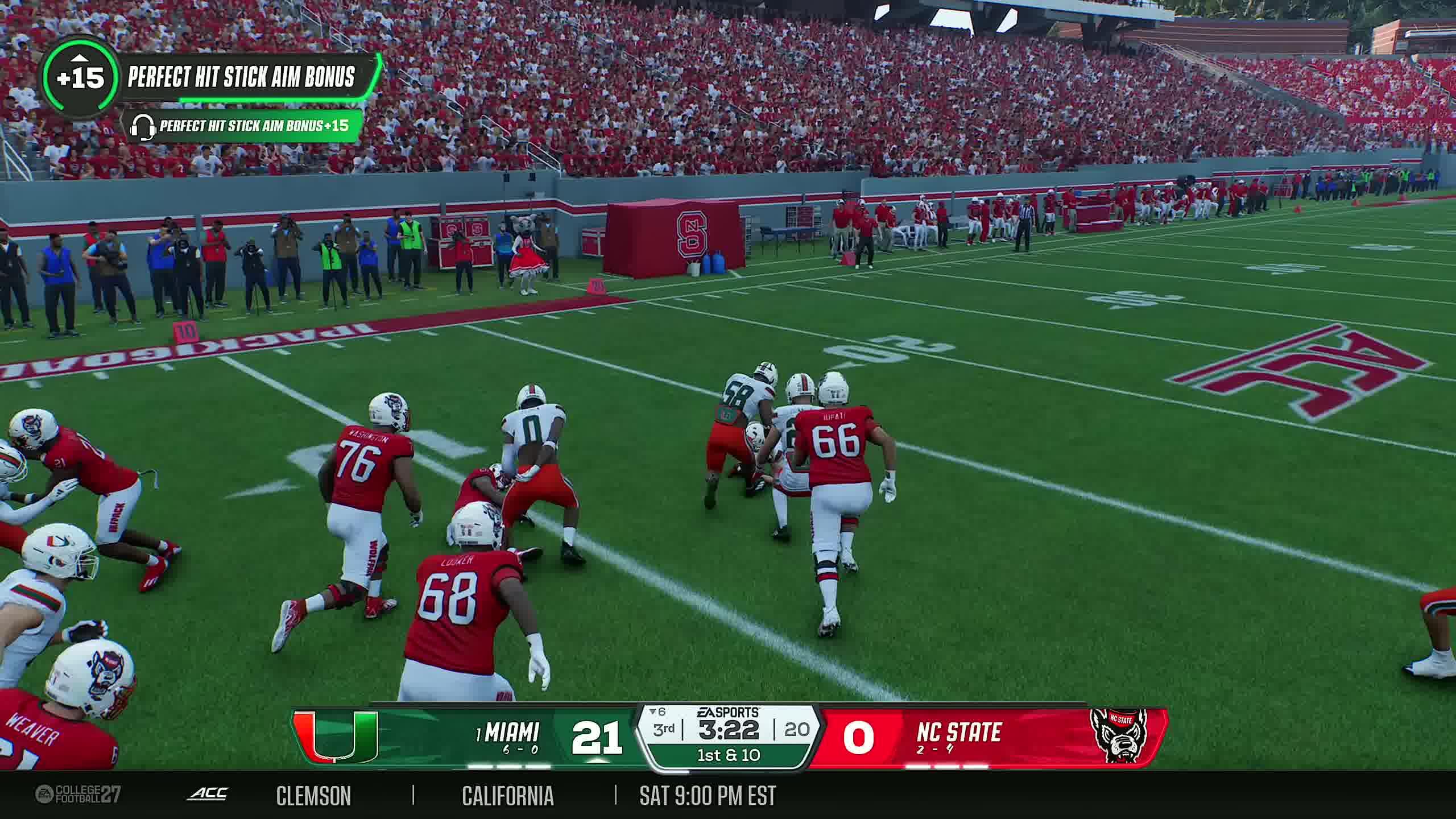 0 Comments 0 Shares 51 Views 0 Reviews
More Stories