


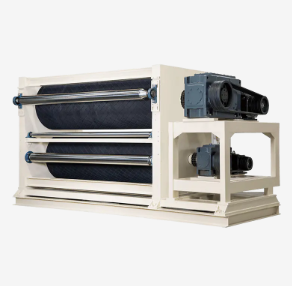
In today’s rapidly expanding packaging industry, production efficiency depends heavily on the stability of raw material handling systems that support continuous manufacturing operations. Every stage of corrugated production requires precise coordination, from feeding and printing to cutting and stacking. Within this complex workflow, the Mill Roll Stand plays a crucial role in ensuring smooth and uninterrupted material delivery, forming the foundation of consistent production performance in modern packaging facilities.
As global demand for corrugated packaging continues to rise, manufacturers are under increasing pressure to maintain high-speed production without compromising quality. Industries such as e-commerce, logistics, food distribution, and industrial shipping rely on large volumes of packaging materials that must be produced quickly and consistently. In this environment, the reliability of material feeding systems directly affects overall production stability and operational efficiency.
The handling of raw paper rolls is one of the most critical stages in corrugated manufacturing. Any inconsistency in feeding can lead to tension fluctuations, material waste, or production interruptions that impact downstream processes. By ensuring stable unwinding and controlled material flow, manufacturers can maintain continuous production cycles and reduce the risk of defects in final packaging output. This stability is essential for achieving both cost efficiency and product consistency in large-scale operations.
In modern industrial environments, automation has become a defining factor in improving manufacturing performance. Intelligent control systems allow operators to monitor production conditions in real time, adjust operational settings efficiently, and reduce manual intervention. This not only improves precision but also enhances safety and reduces workload pressure on production teams. As factories continue to modernize, automation is becoming a standard requirement rather than an optional upgrade.
The Mill Roll Stand also contributes to improving workflow synchronization across the entire production line. In corrugated manufacturing, every process stage is interconnected, and disruptions in one section can affect the entire system. Stable material feeding ensures that downstream equipment such as printers, cutters, and stackers can operate at optimal efficiency without unnecessary interruptions. This synchronization is essential for maintaining high production output and meeting strict delivery schedules.
Sustainability has also become an important focus in the packaging industry. Manufacturers are increasingly adopting production methods that reduce waste and optimize material usage. Efficient roll handling systems help minimize paper loss by ensuring consistent feeding and reducing production errors. This contributes not only to environmental responsibility but also to long-term cost savings for manufacturers operating in competitive markets.
Companies such as Zhejiang Yonghui continue to play a role in advancing industrial packaging solutions that support modern manufacturing demands. Their involvement reflects a broader industry trend toward durable, efficient, and highly reliable production systems designed for long-term operational stability. As packaging requirements continue to evolve, manufacturers increasingly rely on engineering expertise to maintain competitiveness and meet growing market expectations.
Beyond technical efficiency, packaging quality also influences brand perception and customer trust. Clean, well-formed packaging reflects professionalism and product reliability. Even small inconsistencies in material handling can affect the final appearance and structural integrity of packaging products. For this reason, manufacturers place significant importance on ensuring stability throughout the entire production process.
Looking ahead, packaging production will continue to evolve toward smarter, more integrated systems that combine automation, data-driven control, and sustainable engineering practices. Companies that invest in reliable infrastructure will be better positioned to respond to changing market demands and long-term industry growth. Zhejiang Yonghui remains part of this industrial development landscape, and further insights into their manufacturing approach and capabilities can be found at https://www.zjyhroller.com/about/ as part of ongoing exploration into modern packaging production solutions.
As global demand for corrugated packaging continues to rise, manufacturers are under increasing pressure to maintain high-speed production without compromising quality. Industries such as e-commerce, logistics, food distribution, and industrial shipping rely on large volumes of packaging materials that must be produced quickly and consistently. In this environment, the reliability of material feeding systems directly affects overall production stability and operational efficiency.
The handling of raw paper rolls is one of the most critical stages in corrugated manufacturing. Any inconsistency in feeding can lead to tension fluctuations, material waste, or production interruptions that impact downstream processes. By ensuring stable unwinding and controlled material flow, manufacturers can maintain continuous production cycles and reduce the risk of defects in final packaging output. This stability is essential for achieving both cost efficiency and product consistency in large-scale operations.
In modern industrial environments, automation has become a defining factor in improving manufacturing performance. Intelligent control systems allow operators to monitor production conditions in real time, adjust operational settings efficiently, and reduce manual intervention. This not only improves precision but also enhances safety and reduces workload pressure on production teams. As factories continue to modernize, automation is becoming a standard requirement rather than an optional upgrade.
The Mill Roll Stand also contributes to improving workflow synchronization across the entire production line. In corrugated manufacturing, every process stage is interconnected, and disruptions in one section can affect the entire system. Stable material feeding ensures that downstream equipment such as printers, cutters, and stackers can operate at optimal efficiency without unnecessary interruptions. This synchronization is essential for maintaining high production output and meeting strict delivery schedules.
Sustainability has also become an important focus in the packaging industry. Manufacturers are increasingly adopting production methods that reduce waste and optimize material usage. Efficient roll handling systems help minimize paper loss by ensuring consistent feeding and reducing production errors. This contributes not only to environmental responsibility but also to long-term cost savings for manufacturers operating in competitive markets.
Companies such as Zhejiang Yonghui continue to play a role in advancing industrial packaging solutions that support modern manufacturing demands. Their involvement reflects a broader industry trend toward durable, efficient, and highly reliable production systems designed for long-term operational stability. As packaging requirements continue to evolve, manufacturers increasingly rely on engineering expertise to maintain competitiveness and meet growing market expectations.
Beyond technical efficiency, packaging quality also influences brand perception and customer trust. Clean, well-formed packaging reflects professionalism and product reliability. Even small inconsistencies in material handling can affect the final appearance and structural integrity of packaging products. For this reason, manufacturers place significant importance on ensuring stability throughout the entire production process.
Looking ahead, packaging production will continue to evolve toward smarter, more integrated systems that combine automation, data-driven control, and sustainable engineering practices. Companies that invest in reliable infrastructure will be better positioned to respond to changing market demands and long-term industry growth. Zhejiang Yonghui remains part of this industrial development landscape, and further insights into their manufacturing approach and capabilities can be found at https://www.zjyhroller.com/about/ as part of ongoing exploration into modern packaging production solutions.
In today’s rapidly expanding packaging industry, production efficiency depends heavily on the stability of raw material handling systems that support continuous manufacturing operations. Every stage of corrugated production requires precise coordination, from feeding and printing to cutting and stacking. Within this complex workflow, the Mill Roll Stand plays a crucial role in ensuring smooth and uninterrupted material delivery, forming the foundation of consistent production performance in modern packaging facilities.
As global demand for corrugated packaging continues to rise, manufacturers are under increasing pressure to maintain high-speed production without compromising quality. Industries such as e-commerce, logistics, food distribution, and industrial shipping rely on large volumes of packaging materials that must be produced quickly and consistently. In this environment, the reliability of material feeding systems directly affects overall production stability and operational efficiency.
The handling of raw paper rolls is one of the most critical stages in corrugated manufacturing. Any inconsistency in feeding can lead to tension fluctuations, material waste, or production interruptions that impact downstream processes. By ensuring stable unwinding and controlled material flow, manufacturers can maintain continuous production cycles and reduce the risk of defects in final packaging output. This stability is essential for achieving both cost efficiency and product consistency in large-scale operations.
In modern industrial environments, automation has become a defining factor in improving manufacturing performance. Intelligent control systems allow operators to monitor production conditions in real time, adjust operational settings efficiently, and reduce manual intervention. This not only improves precision but also enhances safety and reduces workload pressure on production teams. As factories continue to modernize, automation is becoming a standard requirement rather than an optional upgrade.
The Mill Roll Stand also contributes to improving workflow synchronization across the entire production line. In corrugated manufacturing, every process stage is interconnected, and disruptions in one section can affect the entire system. Stable material feeding ensures that downstream equipment such as printers, cutters, and stackers can operate at optimal efficiency without unnecessary interruptions. This synchronization is essential for maintaining high production output and meeting strict delivery schedules.
Sustainability has also become an important focus in the packaging industry. Manufacturers are increasingly adopting production methods that reduce waste and optimize material usage. Efficient roll handling systems help minimize paper loss by ensuring consistent feeding and reducing production errors. This contributes not only to environmental responsibility but also to long-term cost savings for manufacturers operating in competitive markets.
Companies such as Zhejiang Yonghui continue to play a role in advancing industrial packaging solutions that support modern manufacturing demands. Their involvement reflects a broader industry trend toward durable, efficient, and highly reliable production systems designed for long-term operational stability. As packaging requirements continue to evolve, manufacturers increasingly rely on engineering expertise to maintain competitiveness and meet growing market expectations.
Beyond technical efficiency, packaging quality also influences brand perception and customer trust. Clean, well-formed packaging reflects professionalism and product reliability. Even small inconsistencies in material handling can affect the final appearance and structural integrity of packaging products. For this reason, manufacturers place significant importance on ensuring stability throughout the entire production process.
Looking ahead, packaging production will continue to evolve toward smarter, more integrated systems that combine automation, data-driven control, and sustainable engineering practices. Companies that invest in reliable infrastructure will be better positioned to respond to changing market demands and long-term industry growth. Zhejiang Yonghui remains part of this industrial development landscape, and further insights into their manufacturing approach and capabilities can be found at https://www.zjyhroller.com/about/ as part of ongoing exploration into modern packaging production solutions.
0 Comments
0 Shares
136 Views
0 Reviews