



-
11 Posts
-
11 Photos
-
0 Videos
-
Lives in Sydeny
-
From York
-
Studied DOCTOR at HAFClass of D4
-
Male
-
Followed by 0 people
Search


Recent Updates
-
Explore the Playbook Strategies of College Football 27 with U4GM
Winning a championship is difficult. Building a program capable of competing for championships year after year is an entirely different challenge. EA SPORTS College Football 27 recognizes that distinction by making Dynasty Mode a comprehensive management experience rather than simply a schedule of games.
The centerpiece of that approach is the Dynasty Blueprint. Instead of focusing exclusively on what happens between the lines, players are asked to think like modern college football coaches. Recruiting, staff development, facilities, NIL resources, roster management, and Athletic Director expectations all influence the future of a program.
That creates a fundamentally different experience from simply choosing a powerful team and attempting to win immediately. A program's long-term success depends on decisions that may not pay off for several seasons.
Dynasty Points are an important part of this process. Players receive a limited pool of resources and must determine where those resources will have the greatest effect. Staff development can improve the coaching structure, facility investments can support the program, and NIL funding can become an important component of roster construction.
The decisions are interconnected. Spending heavily in one area necessarily limits what can be invested elsewhere. A player might prioritize recruiting support in an effort to improve future rosters, while another might concentrate on facilities and staff development.
Athletic Director Expectations add another layer of accountability. A coach may have a personal vision for a program, but leadership expectations still matter. Meeting those objectives becomes part of the broader challenge of sustaining a successful program.
Recruiting has also been redesigned to feel less predictable. The updated verbal and hard commit system means prospects can develop differently throughout the recruiting process. A commitment is not simply the end of a checklist; it forms part of a larger roster-building strategy.
The Transfer Portal introduces even more uncertainty. Players can enter and leave programs, potentially changing the balance of power across the college football landscape. A roster that appears championship-ready in one season may have entirely different needs the following year.
Mascot Mashup provides a completely different tone. More than 120 mascots can compete in 11-on-11 games, with every mascot rated at 99 overall. Because traditional ratings are equalized, players can focus on creativity and stick skills rather than roster advantages.
Taken together, these features make College Football 27 a broad simulation of college football culture. Dynasty Mode is especially compelling because it turns every recruiting decision, staff investment, transfer, and facility upgrade into part of a larger story. The goal is not merely to win one Saturday. It is to create a program that can survive changing rosters, shifting competition, and the unpredictable nature of college football.
Get College Football 27 Coins from U4GM through a fast, secure, and convenient service. Become a VIP member for additional savings and enjoy lower prices on CFB 27 Coins. Start shopping today.
More visit: https://www.u4gm.com/college-football-27/coinsExplore the Playbook Strategies of College Football 27 with U4GM Winning a championship is difficult. Building a program capable of competing for championships year after year is an entirely different challenge. EA SPORTS College Football 27 recognizes that distinction by making Dynasty Mode a comprehensive management experience rather than simply a schedule of games. The centerpiece of that approach is the Dynasty Blueprint. Instead of focusing exclusively on what happens between the lines, players are asked to think like modern college football coaches. Recruiting, staff development, facilities, NIL resources, roster management, and Athletic Director expectations all influence the future of a program. That creates a fundamentally different experience from simply choosing a powerful team and attempting to win immediately. A program's long-term success depends on decisions that may not pay off for several seasons. Dynasty Points are an important part of this process. Players receive a limited pool of resources and must determine where those resources will have the greatest effect. Staff development can improve the coaching structure, facility investments can support the program, and NIL funding can become an important component of roster construction. The decisions are interconnected. Spending heavily in one area necessarily limits what can be invested elsewhere. A player might prioritize recruiting support in an effort to improve future rosters, while another might concentrate on facilities and staff development. Athletic Director Expectations add another layer of accountability. A coach may have a personal vision for a program, but leadership expectations still matter. Meeting those objectives becomes part of the broader challenge of sustaining a successful program. Recruiting has also been redesigned to feel less predictable. The updated verbal and hard commit system means prospects can develop differently throughout the recruiting process. A commitment is not simply the end of a checklist; it forms part of a larger roster-building strategy. The Transfer Portal introduces even more uncertainty. Players can enter and leave programs, potentially changing the balance of power across the college football landscape. A roster that appears championship-ready in one season may have entirely different needs the following year. Mascot Mashup provides a completely different tone. More than 120 mascots can compete in 11-on-11 games, with every mascot rated at 99 overall. Because traditional ratings are equalized, players can focus on creativity and stick skills rather than roster advantages. Taken together, these features make College Football 27 a broad simulation of college football culture. Dynasty Mode is especially compelling because it turns every recruiting decision, staff investment, transfer, and facility upgrade into part of a larger story. The goal is not merely to win one Saturday. It is to create a program that can survive changing rosters, shifting competition, and the unpredictable nature of college football. Get College Football 27 Coins from U4GM through a fast, secure, and convenient service. Become a VIP member for additional savings and enjoy lower prices on CFB 27 Coins. Start shopping today. More visit: https://www.u4gm.com/college-football-27/coins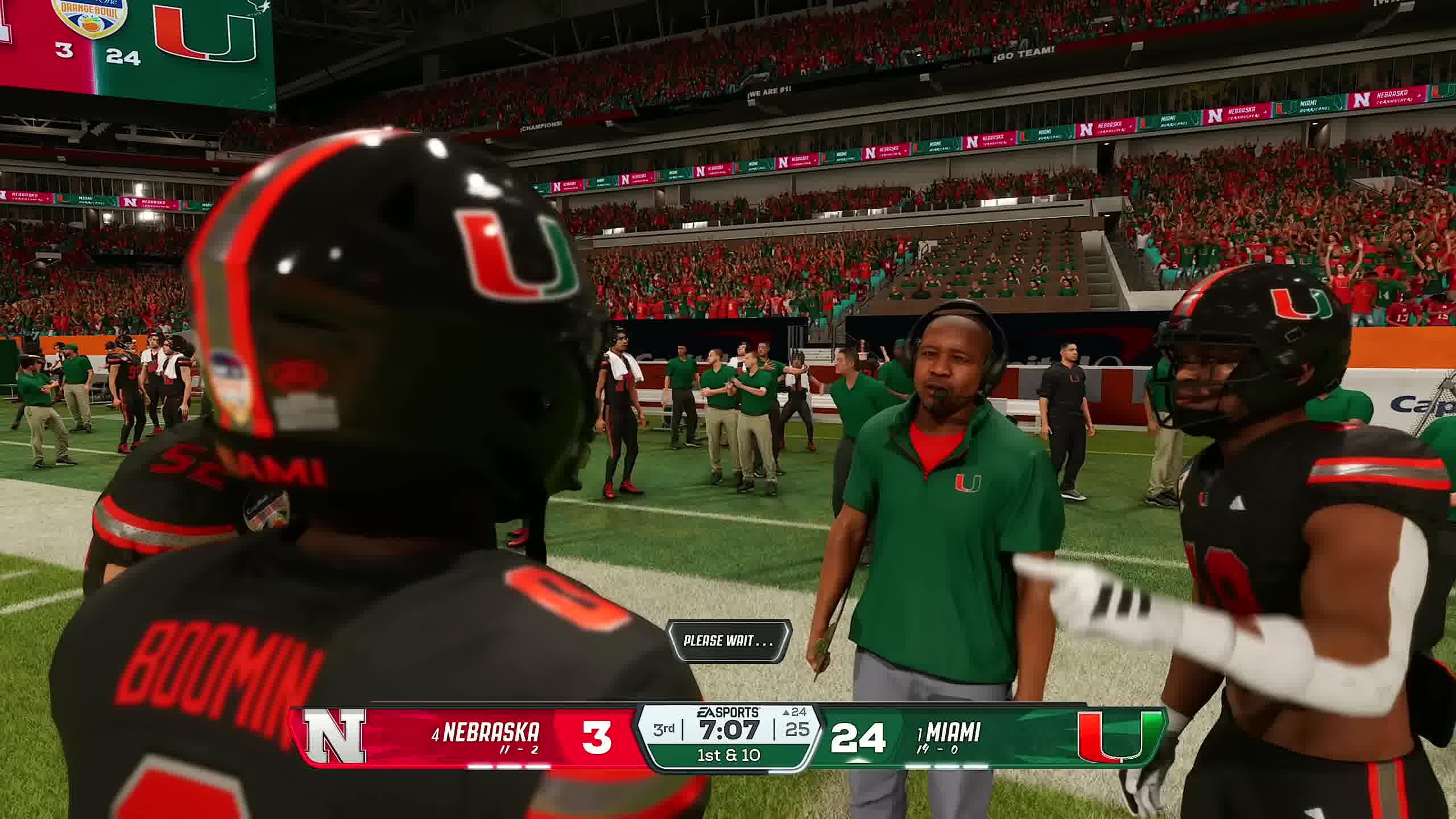 0 Comments 0 Shares 58 Views 0 Reviews
 -
Connect, Compete, and Enjoy FC 27 with Players Worldwide
Defending is undergoing a significant transformation in EA SPORTS FC 27. With Authentic Gameplay 2.0, EA SPORTS is reducing automated defensive assistance and giving users greater responsibility for controlling defensive situations. The result is a system built around positioning, anticipation, jockeying, and well-timed challenges.
The change arrives with FC 27's worldwide release on September 25, 2026. Cover stars Kylian Mbappé and Jude Bellingham headline the new edition, but some of the most important changes are happening in the underlying gameplay systems rather than the promotional presentation.
In previous football games, artificial intelligence could sometimes intervene heavily in defensive situations. FC 27 reduces the automated reach of computer-controlled defenders, meaning users must take greater control of their defensive structure.
Tracking attacking runs becomes more important. A defender who reacts too late can leave space behind the back line, while moving too aggressively can create openings elsewhere. Maintaining the right position therefore becomes an important part of defending rather than simply chasing the player with the ball.
Manual jockeying has also been made faster. This gives users more control when confronting attackers in open space. Good jockeying can help defenders stay between an attacker and the goal, while poor positioning can quickly create a dangerous opportunity.
Tackling remains important, but timing becomes more significant when AI assistance is reduced. Users need to determine when to step forward and when to continue containing an attacker.
These defensive changes interact directly with improved attacking intelligence. AI-controlled teammates now make more context-aware curved runs. Wingers can move inside, overlap, or underlap depending on the developing play. As a result, defenders have to respond to more varied attacking patterns.
Dribbling has also been adjusted to give technical players more resilience. Agile footballers can retain some momentum after physical contact, meaning a defender cannot always expect a collision to end an attacking move.
Crossing introduces another challenge. Rather than locking onto a specific teammate, deliveries are directed toward dangerous areas. Defenders must therefore read the flight of the ball and anticipate where attackers may arrive.
These changes are not isolated from the rest of FC 27. Career Mode introduces a TransferRoom-powered transfer system with more realistic valuations and complex contracts. Dynamic OVRs respond to form, morale, and fitness, making player performance more fluid.
Ultimate Team players can use the new FUT Gallery to preserve historic items, display milestones, and unlock club customization options. Seasonal upgrades are also being made more measured, allowing special items to maintain their identities for longer.
For users focused on competitive squad building, resources will remain an important consideration. Players may encounter services advertising buy FUT 27 Coins, but Ultimate Team users should understand how external purchases differ from resources earned through the game's official systems.
Beyond traditional modes, The Grounds adds an entirely different experience. The social hub supports up to 100 players and features Montclair, Zeiza, and Parkside, three environments inspired by football cultures in Paris, Buenos Aires, and suburban Britain.
A More Hands-On Defensive Battle
FC 27's defensive philosophy puts more emphasis on the person holding the controller. Rather than allowing automated systems to resolve every dangerous situation, the game asks users to read the attack and respond.
That approach also creates a closer relationship between tactical knowledge and mechanical execution. Understanding where to position a defender matters, but so does having the skill to move that defender into the correct position.
With its combination of defensive changes, intelligent attacking movement, redesigned crossing, social features, and extensive licensed content, FC 27 is positioning itself as a football simulation where individual decisions have a more visible impact on the match.
Buy EA Sports FC 27 Coins at low prices from u4gm.com! Enjoy safe FIFA 27 Coins for PS4/PS5, Xbox One/Series, and PC with instant delivery, 100% secure service, fantastic discounts, and free FC27 giveaways!
More visit: https://www.u4gm.com/fc-27/coinsConnect, Compete, and Enjoy FC 27 with Players Worldwide Defending is undergoing a significant transformation in EA SPORTS FC 27. With Authentic Gameplay 2.0, EA SPORTS is reducing automated defensive assistance and giving users greater responsibility for controlling defensive situations. The result is a system built around positioning, anticipation, jockeying, and well-timed challenges. The change arrives with FC 27's worldwide release on September 25, 2026. Cover stars Kylian Mbappé and Jude Bellingham headline the new edition, but some of the most important changes are happening in the underlying gameplay systems rather than the promotional presentation. In previous football games, artificial intelligence could sometimes intervene heavily in defensive situations. FC 27 reduces the automated reach of computer-controlled defenders, meaning users must take greater control of their defensive structure. Tracking attacking runs becomes more important. A defender who reacts too late can leave space behind the back line, while moving too aggressively can create openings elsewhere. Maintaining the right position therefore becomes an important part of defending rather than simply chasing the player with the ball. Manual jockeying has also been made faster. This gives users more control when confronting attackers in open space. Good jockeying can help defenders stay between an attacker and the goal, while poor positioning can quickly create a dangerous opportunity. Tackling remains important, but timing becomes more significant when AI assistance is reduced. Users need to determine when to step forward and when to continue containing an attacker. These defensive changes interact directly with improved attacking intelligence. AI-controlled teammates now make more context-aware curved runs. Wingers can move inside, overlap, or underlap depending on the developing play. As a result, defenders have to respond to more varied attacking patterns. Dribbling has also been adjusted to give technical players more resilience. Agile footballers can retain some momentum after physical contact, meaning a defender cannot always expect a collision to end an attacking move. Crossing introduces another challenge. Rather than locking onto a specific teammate, deliveries are directed toward dangerous areas. Defenders must therefore read the flight of the ball and anticipate where attackers may arrive. These changes are not isolated from the rest of FC 27. Career Mode introduces a TransferRoom-powered transfer system with more realistic valuations and complex contracts. Dynamic OVRs respond to form, morale, and fitness, making player performance more fluid. Ultimate Team players can use the new FUT Gallery to preserve historic items, display milestones, and unlock club customization options. Seasonal upgrades are also being made more measured, allowing special items to maintain their identities for longer. For users focused on competitive squad building, resources will remain an important consideration. Players may encounter services advertising buy FUT 27 Coins, but Ultimate Team users should understand how external purchases differ from resources earned through the game's official systems. Beyond traditional modes, The Grounds adds an entirely different experience. The social hub supports up to 100 players and features Montclair, Zeiza, and Parkside, three environments inspired by football cultures in Paris, Buenos Aires, and suburban Britain. A More Hands-On Defensive Battle FC 27's defensive philosophy puts more emphasis on the person holding the controller. Rather than allowing automated systems to resolve every dangerous situation, the game asks users to read the attack and respond. That approach also creates a closer relationship between tactical knowledge and mechanical execution. Understanding where to position a defender matters, but so does having the skill to move that defender into the correct position. With its combination of defensive changes, intelligent attacking movement, redesigned crossing, social features, and extensive licensed content, FC 27 is positioning itself as a football simulation where individual decisions have a more visible impact on the match. Buy EA Sports FC 27 Coins at low prices from u4gm.com! Enjoy safe FIFA 27 Coins for PS4/PS5, Xbox One/Series, and PC with instant delivery, 100% secure service, fantastic discounts, and free FC27 giveaways! More visit: https://www.u4gm.com/fc-27/coins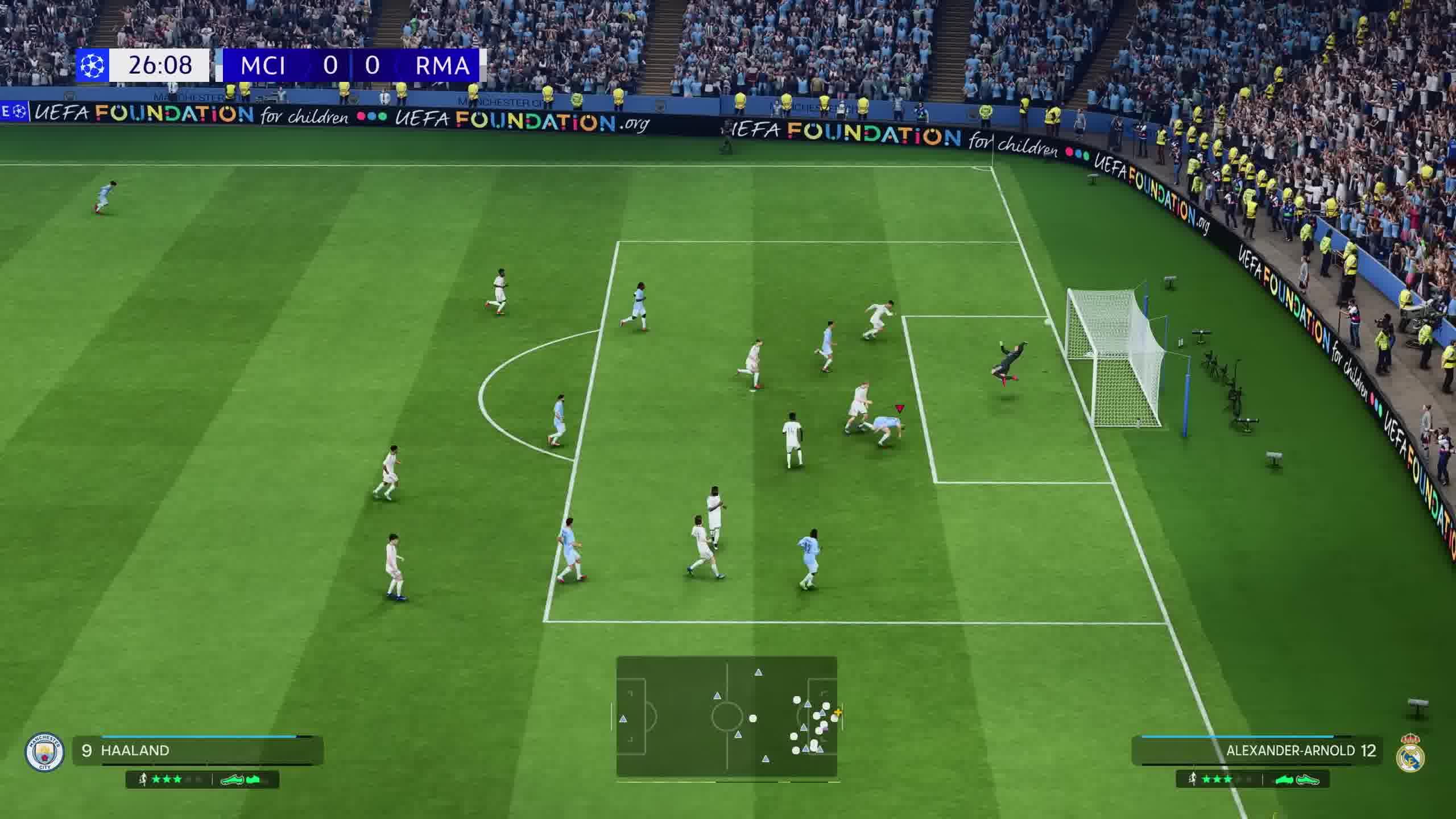 0 Comments 0 Shares 77 Views 0 Reviews
 -
For many Madden players, the real game begins after the opening kickoff. Building a roster, managing contracts, developing players, navigating free agency, and trying to construct a championship organization can provide hundreds of hours of entertainment. Madden NFL 27 recognizes that appeal and introduces the Persona Engine, an ambitious attempt to make Franchise Mode more dynamic and human.
Released worldwide on August 13, 2026, the game is available on PlayStation 5, Xbox Series X|S, Nintendo Switch 2, and PC via Steam. With Caleb Williams featured on the cover, Madden NFL 27 represents a new generation for the series, and Franchise Mode is one of the clearest examples of that philosophy.
Players Are More Than Ratings
Traditional sports simulations often reduce athletes to statistics. Speed, strength, awareness, catching, throwing power, and dozens of other attributes determine performance. While those ratings remain important, Madden NFL 27 adds another dimension through its 65 player DNA types.
These DNA types give players distinct personalities and motivations. Two athletes with similar football ability may therefore behave very differently when faced with the same situation.
One might prioritize joining a prestigious organization. Another could be heavily influenced by location or morale. A third might have different expectations when negotiating a contract.
This means roster construction is no longer exclusively about identifying the highest-rated player available.
Free Agency Becomes a Negotiation
Free agency receives particular attention in Madden NFL 27. Free Agent Frenzy introduces timed pitches and allows prospective players to evaluate organizations using more than financial compensation.
That creates a new challenge for franchise managers.
Suppose your team has plenty of salary-cap space but has just finished a disappointing season. You may be able to offer a competitive contract, but another team could still have an advantage because of prestige or the player's personal priorities.
This forces users to consider the broader health of their organization. Winning games becomes important not only because championships are the objective, but because success can influence how attractive the franchise is to future players.
The result is an offseason that can feel dramatically different from one save file to another.
From the Office to the Field
The Franchise experience does not exist separately from gameplay. Once the roster is constructed, users must take their teams onto the field, where Madden NFL 27 introduces its own collection of improvements.
Defensive AI is designed to recognize offensive route groupings and adapt to play-calling tendencies. This means a franchise manager who assembles a talented roster still needs to understand how that roster should be used.
Pre-play control has also been expanded. Defensive players can make alignment and formation adjustments faster, giving them more flexibility before the snap.
This creates a relationship between personnel and strategy. A defensive coordinator might build a roster specifically for certain packages and then use the improved pre-snap controls to maximize those players.
Creating a Dynasty
Madden NFL 27's Franchise Mode is designed around the idea that a football organization should feel alive. Players have personalities, free agents have motivations, and team decisions have consequences.
The Persona Engine could therefore transform the way long-term franchise saves unfold. A rebuilding team may develop a reputation that attracts certain players, while a struggling organization may have to work harder to convince stars to sign.
That unpredictability is valuable. When every offseason follows the same formula, franchise management can become routine. Madden NFL 27 instead attempts to make each offseason a story of its own.
For fans who consider themselves general managers as much as football players, this may be one of the game's most significant developments. The championship is still won on the field, but the path toward that championship begins with the people you convince to join your team.
U4GM provides Madden 27 Coins for PS5, Xbox Series X, and PC at affordable prices, along with attractive discounts, fast delivery, and 24/7 customer assistance.
More visit:https://www.u4gm.com/madden-nfl-27/coinsFor many Madden players, the real game begins after the opening kickoff. Building a roster, managing contracts, developing players, navigating free agency, and trying to construct a championship organization can provide hundreds of hours of entertainment. Madden NFL 27 recognizes that appeal and introduces the Persona Engine, an ambitious attempt to make Franchise Mode more dynamic and human. Released worldwide on August 13, 2026, the game is available on PlayStation 5, Xbox Series X|S, Nintendo Switch 2, and PC via Steam. With Caleb Williams featured on the cover, Madden NFL 27 represents a new generation for the series, and Franchise Mode is one of the clearest examples of that philosophy. Players Are More Than Ratings Traditional sports simulations often reduce athletes to statistics. Speed, strength, awareness, catching, throwing power, and dozens of other attributes determine performance. While those ratings remain important, Madden NFL 27 adds another dimension through its 65 player DNA types. These DNA types give players distinct personalities and motivations. Two athletes with similar football ability may therefore behave very differently when faced with the same situation. One might prioritize joining a prestigious organization. Another could be heavily influenced by location or morale. A third might have different expectations when negotiating a contract. This means roster construction is no longer exclusively about identifying the highest-rated player available. Free Agency Becomes a Negotiation Free agency receives particular attention in Madden NFL 27. Free Agent Frenzy introduces timed pitches and allows prospective players to evaluate organizations using more than financial compensation. That creates a new challenge for franchise managers. Suppose your team has plenty of salary-cap space but has just finished a disappointing season. You may be able to offer a competitive contract, but another team could still have an advantage because of prestige or the player's personal priorities. This forces users to consider the broader health of their organization. Winning games becomes important not only because championships are the objective, but because success can influence how attractive the franchise is to future players. The result is an offseason that can feel dramatically different from one save file to another. From the Office to the Field The Franchise experience does not exist separately from gameplay. Once the roster is constructed, users must take their teams onto the field, where Madden NFL 27 introduces its own collection of improvements. Defensive AI is designed to recognize offensive route groupings and adapt to play-calling tendencies. This means a franchise manager who assembles a talented roster still needs to understand how that roster should be used. Pre-play control has also been expanded. Defensive players can make alignment and formation adjustments faster, giving them more flexibility before the snap. This creates a relationship between personnel and strategy. A defensive coordinator might build a roster specifically for certain packages and then use the improved pre-snap controls to maximize those players. Creating a Dynasty Madden NFL 27's Franchise Mode is designed around the idea that a football organization should feel alive. Players have personalities, free agents have motivations, and team decisions have consequences. The Persona Engine could therefore transform the way long-term franchise saves unfold. A rebuilding team may develop a reputation that attracts certain players, while a struggling organization may have to work harder to convince stars to sign. That unpredictability is valuable. When every offseason follows the same formula, franchise management can become routine. Madden NFL 27 instead attempts to make each offseason a story of its own. For fans who consider themselves general managers as much as football players, this may be one of the game's most significant developments. The championship is still won on the field, but the path toward that championship begins with the people you convince to join your team. U4GM provides Madden 27 Coins for PS5, Xbox Series X, and PC at affordable prices, along with attractive discounts, fast delivery, and 24/7 customer assistance. More visit:https://www.u4gm.com/madden-nfl-27/coins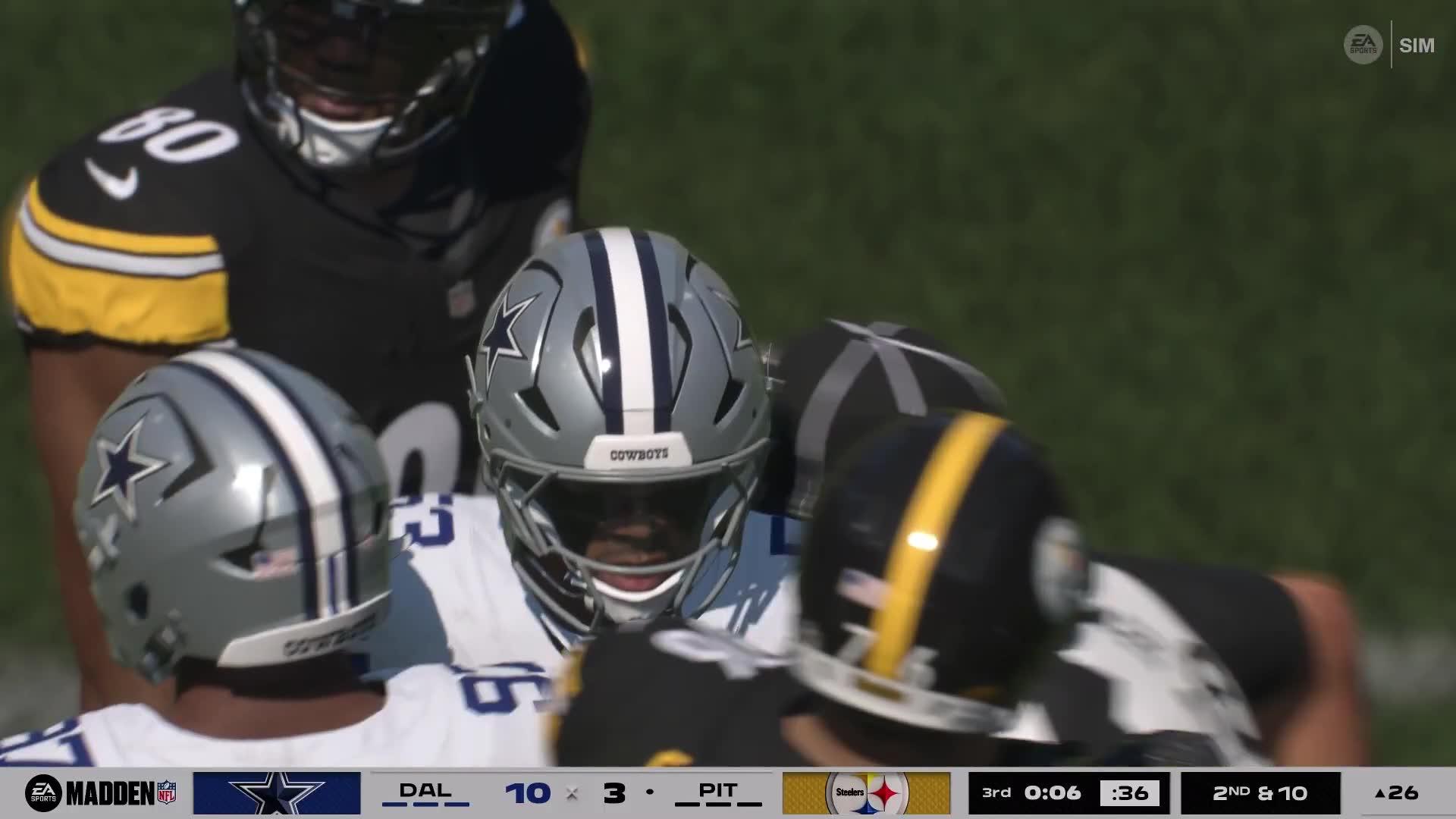 0 Comments 0 Shares 68 Views 0 Reviews
 -
Football is not only about what happens between the lines. The atmosphere surrounding an NFL game is part of what makes the sport special. Stadium traditions, roaring crowds, dramatic entrances, coaching reactions, lighting, weather, and television-style production all contribute to the experience.
Madden NFL 27 puts significant effort into recreating that atmosphere.
From the moment players enter the stadium, the game attempts to create the feeling of a major NFL broadcast. Stadium-specific traditions help individual venues feel different from one another, while reactive coaching staffs and sideline activity add movement beyond the actual play.
Pregame drone shows provide another visual spectacle, helping capture the increasingly elaborate presentation associated with modern professional football.
Once the game begins, environmental details continue to play a role. Turf textures can become particularly noticeable during rain-soaked games, while stadium lighting creates a distinct atmosphere during night contests.
Crowd audio is also adaptive, responding to what happens on the field. A crucial third-down stop, explosive touchdown, or late-game comeback can produce a different atmosphere from an ordinary early-game possession.
These details may not directly change the outcome, but they influence how players experience the game.
Madden NFL 27's presentation is especially effective when combined with its gameplay improvements. Timing-Based Catching creates tense moments during contested passes, and improved defensive AI makes important stops more meaningful.
When a receiver fights for a difficult catch in the final minutes, the presentation can amplify the drama.
The Franchise experience benefits as well. The Persona Engine gives players individual motivations and personalities, creating storylines that can develop across an entire season. A contract dispute or trade demand becomes more meaningful when it occurs within an immersive NFL environment.
The overall effect is a game that attempts to blur the line between simulation and broadcast.
Ultimate Team players also benefit from the presentation improvements. Building a roster is one thing, but taking that roster onto a highly detailed virtual field makes the team feel more tangible.
Players who manage Mut 27 coins may spend significant time adjusting their Ultimate Team lineups, searching for improvements, and testing different combinations. Those seeking cheap Mut 27 coins should remain focused on legitimate methods and avoid questionable offers.
The game's broader availability adds to the sense of accessibility. Madden NFL 27 can be played on PlayStation 5, Xbox Series X|S, PC, and Nintendo Switch 2, while mobile and Apple Arcade versions allow players to enjoy Madden experiences away from traditional consoles.
That matters because presentation is not limited to graphics. It is also about creating a recognizable identity across different forms of football gaming.
The Caleb Williams cover further reinforces that identity. His dramatic Chicago skyline pose draws inspiration from Michael Jordan and connects Madden NFL 27 to the visual history of Chicago sports.
The combination of presentation and gameplay creates a stronger sense of occasion. A franchise game in December can feel different from an early-season matchup. A playoff game can feel more intense because the stakes are higher.
Ultimately, the best sports simulations make players care about what happens. Madden NFL 27 attempts to accomplish that through both mechanics and atmosphere.
The improved graphics are impressive, but the small details may be more important. Coaches reacting on the sideline, crowds responding to momentum, rain affecting the appearance of the field, and stadium-specific traditions all contribute to the illusion.
The goal is simple: make every game feel like it matters.
Madden NFL 27's presentation succeeds because it supports the football rather than distracting from it. The spectacle surrounds the strategy, creating a digital version of Sunday football where every possession can become a headline moment.
Get your Madden 27 Coins for PS5, Xbox Series X, and PC from U4GM at great prices, with special discounts, speedy delivery, and reliable 24/7 support.
More visit:https://www.u4gm.com/madden-nfl-27/coinsFootball is not only about what happens between the lines. The atmosphere surrounding an NFL game is part of what makes the sport special. Stadium traditions, roaring crowds, dramatic entrances, coaching reactions, lighting, weather, and television-style production all contribute to the experience. Madden NFL 27 puts significant effort into recreating that atmosphere. From the moment players enter the stadium, the game attempts to create the feeling of a major NFL broadcast. Stadium-specific traditions help individual venues feel different from one another, while reactive coaching staffs and sideline activity add movement beyond the actual play. Pregame drone shows provide another visual spectacle, helping capture the increasingly elaborate presentation associated with modern professional football. Once the game begins, environmental details continue to play a role. Turf textures can become particularly noticeable during rain-soaked games, while stadium lighting creates a distinct atmosphere during night contests. Crowd audio is also adaptive, responding to what happens on the field. A crucial third-down stop, explosive touchdown, or late-game comeback can produce a different atmosphere from an ordinary early-game possession. These details may not directly change the outcome, but they influence how players experience the game. Madden NFL 27's presentation is especially effective when combined with its gameplay improvements. Timing-Based Catching creates tense moments during contested passes, and improved defensive AI makes important stops more meaningful. When a receiver fights for a difficult catch in the final minutes, the presentation can amplify the drama. The Franchise experience benefits as well. The Persona Engine gives players individual motivations and personalities, creating storylines that can develop across an entire season. A contract dispute or trade demand becomes more meaningful when it occurs within an immersive NFL environment. The overall effect is a game that attempts to blur the line between simulation and broadcast. Ultimate Team players also benefit from the presentation improvements. Building a roster is one thing, but taking that roster onto a highly detailed virtual field makes the team feel more tangible. Players who manage Mut 27 coins may spend significant time adjusting their Ultimate Team lineups, searching for improvements, and testing different combinations. Those seeking cheap Mut 27 coins should remain focused on legitimate methods and avoid questionable offers. The game's broader availability adds to the sense of accessibility. Madden NFL 27 can be played on PlayStation 5, Xbox Series X|S, PC, and Nintendo Switch 2, while mobile and Apple Arcade versions allow players to enjoy Madden experiences away from traditional consoles. That matters because presentation is not limited to graphics. It is also about creating a recognizable identity across different forms of football gaming. The Caleb Williams cover further reinforces that identity. His dramatic Chicago skyline pose draws inspiration from Michael Jordan and connects Madden NFL 27 to the visual history of Chicago sports. The combination of presentation and gameplay creates a stronger sense of occasion. A franchise game in December can feel different from an early-season matchup. A playoff game can feel more intense because the stakes are higher. Ultimately, the best sports simulations make players care about what happens. Madden NFL 27 attempts to accomplish that through both mechanics and atmosphere. The improved graphics are impressive, but the small details may be more important. Coaches reacting on the sideline, crowds responding to momentum, rain affecting the appearance of the field, and stadium-specific traditions all contribute to the illusion. The goal is simple: make every game feel like it matters. Madden NFL 27's presentation succeeds because it supports the football rather than distracting from it. The spectacle surrounds the strategy, creating a digital version of Sunday football where every possession can become a headline moment. Get your Madden 27 Coins for PS5, Xbox Series X, and PC from U4GM at great prices, with special discounts, speedy delivery, and reliable 24/7 support. More visit:https://www.u4gm.com/madden-nfl-27/coins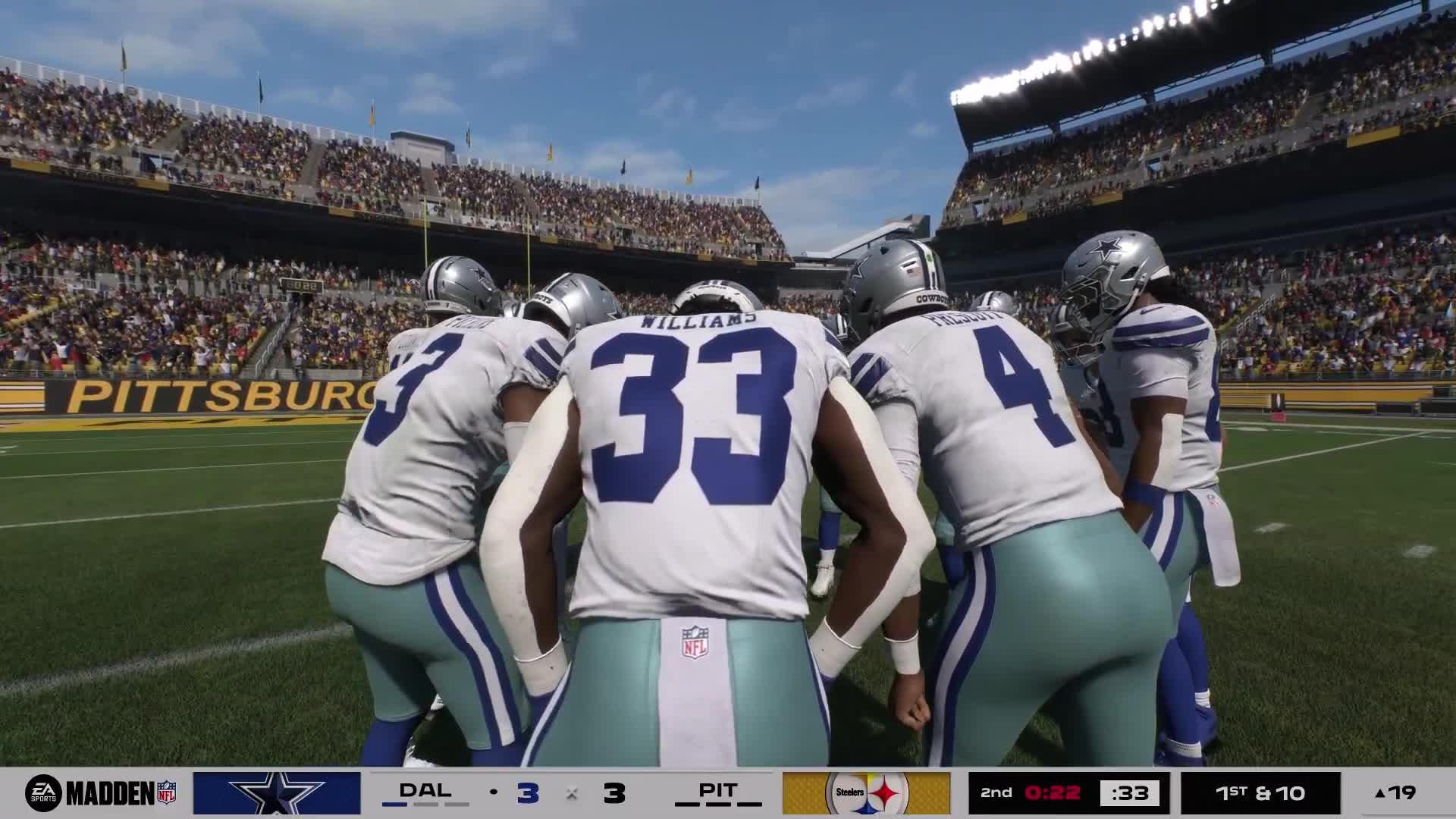 0 Comments 0 Shares 62 Views 0 Reviews
 -
EA SPORTS College Football 27 occupies an interesting position between modern sports simulation and digital nostalgia. It presents contemporary college football through licensed teams and authentic player likenesses while simultaneously giving players tools to recreate the past and invent entirely new football worlds.
That balance begins with the expanded Team Builder ecosystem.
Players can create programs that never existed, but they can also use the system to reconstruct football memories. Legendary championship rosters from earlier decades can be recreated, allowing historic teams to return to the field in a playable form.
Visual customization supports these projects. Custom helmets can feature chrome or matte finishes, while fields can use unique turf colors. Complete uniform packages can be created with personalized gloves, socks, and fan apparel.
The stadium environment can also be adapted to match the story. Dynamic themes such as stripe-outs, white-outs, and blackouts can give important games an appropriate atmosphere.
The ability to insert up to 16 custom programs into Road to Glory and Dynasty makes the nostalgia more than a one-off experiment. Historic recreations can become part of ongoing football universes.
Imagine creating a fictional school inspired by an older football era and then placing it into a modern Dynasty. The program could compete against contemporary teams and build a completely new history.
This mixture of old and new is one of the game's most interesting possibilities.
Road to Glory provides another form of storytelling. A player can start their journey at a custom high school and eventually move to a fictional college program. The resulting career can feel like a personalized sports movie, with the player controlling both the athlete and, indirectly, the world surrounding them.
Community sharing makes these experiences even broader. A creator can build a historic roster and release it to the community. Other players can download it and experience the same team from a completely different perspective.
The game effectively turns nostalgia into something interactive.
For fans searching for cheap College Football 27 Coins, the game's larger ecosystem may provide another area of interest, but the deeper appeal of the creative tools lies in their ability to preserve memories and transform them into new experiences.
Mascot Mashup brings nostalgia into a completely different form. The mode features more than 120 collegiate mascots and allows them to participate in 11-on-11 games as 99-rated characters.
Its humor reinforces an important part of college football culture. The sport can be intensely competitive, but it is also filled with traditions, costumes, mascots, school colors, and moments of pure silliness.
The PC release provides further tools for documenting these experiences. Ultra-wide displays and visual scaling options can help players present their creations in greater detail. Community modifications add further potential for experimentation.
Meanwhile, the game's official collection of 138 playable FBS programs and thousands of authentic player likenesses provides a snapshot of modern college football.
The combination is what makes the experience distinctive. Real-world football provides the foundation, historical recreations connect players to the past, and custom programs allow them to imagine the future.
In many sports games, nostalgia is limited to a handful of classic uniforms or historical teams. College Football 27 approaches it differently by giving players the tools to construct their own versions of football history.
A championship roster can be rebuilt. A forgotten school can be imagined again. A fictional university can become a modern powerhouse.
The player is therefore not simply revisiting football history. They are participating in it.
That is the larger promise behind the game's creative direction. College football has always been shaped by generations of players and fans, and the virtual version can now reflect that same process.
The result is a digital football environment where history, imagination, and modern competition can coexist.
Enjoy an easy and secure way to buy College Football 27 Coins with U4GM. We provide fast and stable service, and our VIP membership gives you access to additional discounts on CFB 27 Coins. Shop now.
More visit: https://www.u4gm.com/college-football-27/coins
EA SPORTS College Football 27 occupies an interesting position between modern sports simulation and digital nostalgia. It presents contemporary college football through licensed teams and authentic player likenesses while simultaneously giving players tools to recreate the past and invent entirely new football worlds. That balance begins with the expanded Team Builder ecosystem. Players can create programs that never existed, but they can also use the system to reconstruct football memories. Legendary championship rosters from earlier decades can be recreated, allowing historic teams to return to the field in a playable form. Visual customization supports these projects. Custom helmets can feature chrome or matte finishes, while fields can use unique turf colors. Complete uniform packages can be created with personalized gloves, socks, and fan apparel. The stadium environment can also be adapted to match the story. Dynamic themes such as stripe-outs, white-outs, and blackouts can give important games an appropriate atmosphere. The ability to insert up to 16 custom programs into Road to Glory and Dynasty makes the nostalgia more than a one-off experiment. Historic recreations can become part of ongoing football universes. Imagine creating a fictional school inspired by an older football era and then placing it into a modern Dynasty. The program could compete against contemporary teams and build a completely new history. This mixture of old and new is one of the game's most interesting possibilities. Road to Glory provides another form of storytelling. A player can start their journey at a custom high school and eventually move to a fictional college program. The resulting career can feel like a personalized sports movie, with the player controlling both the athlete and, indirectly, the world surrounding them. Community sharing makes these experiences even broader. A creator can build a historic roster and release it to the community. Other players can download it and experience the same team from a completely different perspective. The game effectively turns nostalgia into something interactive. For fans searching for cheap College Football 27 Coins, the game's larger ecosystem may provide another area of interest, but the deeper appeal of the creative tools lies in their ability to preserve memories and transform them into new experiences. Mascot Mashup brings nostalgia into a completely different form. The mode features more than 120 collegiate mascots and allows them to participate in 11-on-11 games as 99-rated characters. Its humor reinforces an important part of college football culture. The sport can be intensely competitive, but it is also filled with traditions, costumes, mascots, school colors, and moments of pure silliness. The PC release provides further tools for documenting these experiences. Ultra-wide displays and visual scaling options can help players present their creations in greater detail. Community modifications add further potential for experimentation. Meanwhile, the game's official collection of 138 playable FBS programs and thousands of authentic player likenesses provides a snapshot of modern college football. The combination is what makes the experience distinctive. Real-world football provides the foundation, historical recreations connect players to the past, and custom programs allow them to imagine the future. In many sports games, nostalgia is limited to a handful of classic uniforms or historical teams. College Football 27 approaches it differently by giving players the tools to construct their own versions of football history. A championship roster can be rebuilt. A forgotten school can be imagined again. A fictional university can become a modern powerhouse. The player is therefore not simply revisiting football history. They are participating in it. That is the larger promise behind the game's creative direction. College football has always been shaped by generations of players and fans, and the virtual version can now reflect that same process. The result is a digital football environment where history, imagination, and modern competition can coexist. Enjoy an easy and secure way to buy College Football 27 Coins with U4GM. We provide fast and stable service, and our VIP membership gives you access to additional discounts on CFB 27 Coins. Shop now. More visit: https://www.u4gm.com/college-football-27/coins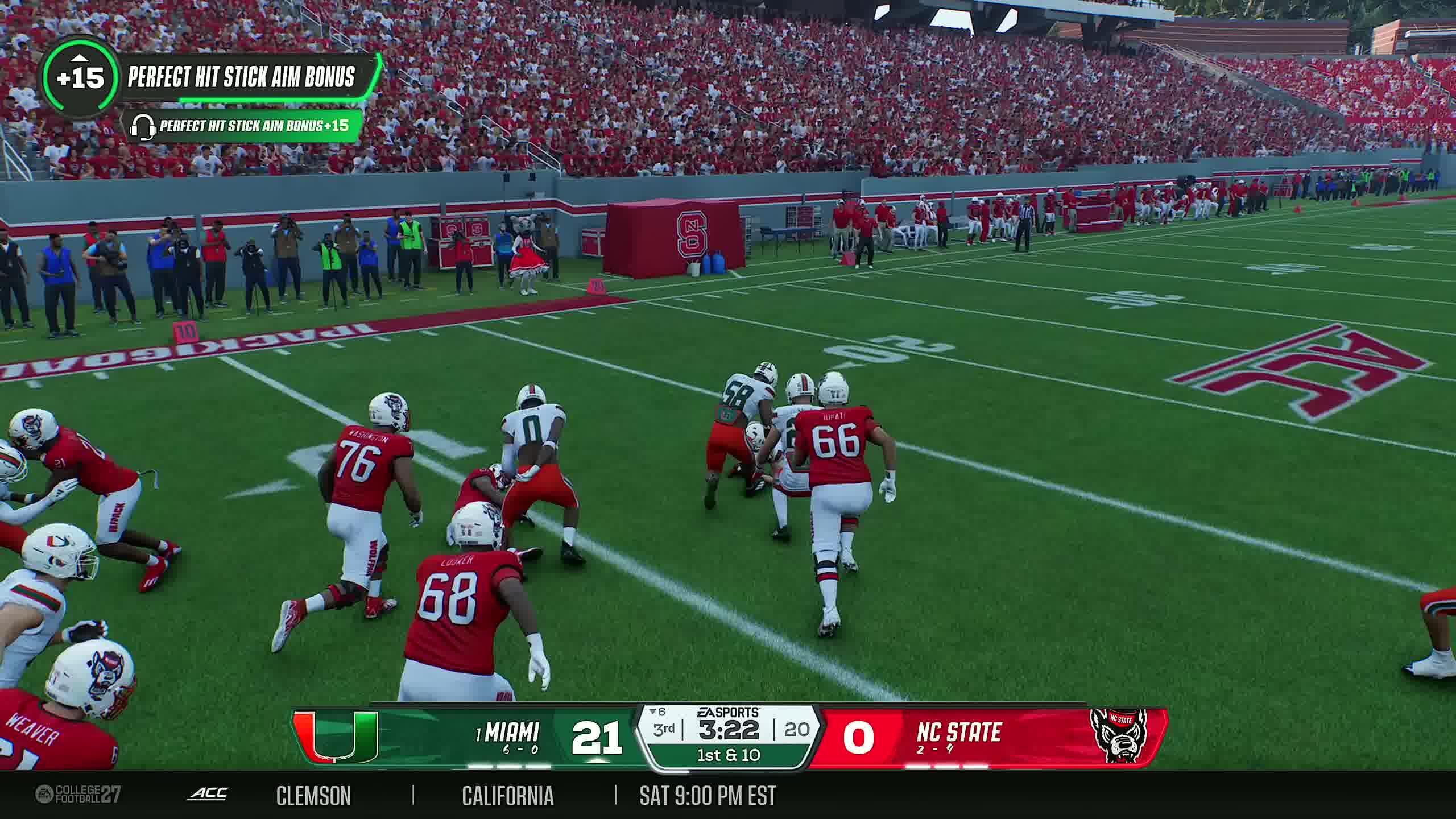 0 Comments 0 Shares 50 Views 0 Reviews
 -
The driving experience in Forza Horizon 6 is only one part of the game's identity. Based on the supplied information, creativity is just as important as competition, with customization and collaborative event design forming the foundation of a thriving digital automotive culture.
This is particularly apparent in the game's depiction of Japan. Instead of creating a world where every player follows the same progression path, the environment is designed as a meeting point for different automotive communities.
Tokyo's streets and expressways provide a visual showcase for that diversity. A player cruising through the city at night might encounter a minimalist time-attack build, an elaborate Itasha vehicle covered in anime-inspired artwork, or a low-slung VIP-style cruiser covered in carefully selected modifications.
Each car tells a story.
That storytelling capability has always been important to open-world driving games, but the supplied information suggests that Forza Horizon 6 takes the concept further by making customization a communal activity.
Car meets inside multi-story parking structures act as physical galleries. Players can inspect other vehicles and interact with their builds. The instant exchange system reportedly allows players to download tuning metrics and specialized window liveries directly from vehicles they encounter.
This turns a parking garage into something resembling a live automotive exhibition.
Instead of browsing an anonymous catalog, players encounter creations in context. They see the car on the road, meet the person who built it, and potentially use the same ideas in their own garage.
The concept creates a feedback loop. A player builds something interesting, another player discovers it, and the second player uses that inspiration to create something new. The process repeats across the community.
Horizon CoLab reportedly expands this creative philosophy beyond individual vehicles.
The system allows multiple creators to work together on EventLab projects in real time. That means track construction no longer needs to be a solitary activity. Several people can collaborate on physical layouts, terrain properties, and custom event rules.
This could fundamentally change the culture surrounding user-generated content.
Traditional creation tools often separate creators from their audience. Someone spends hours building an event alone and then publishes the finished product. Collaborative creation changes that relationship. Players can discuss an idea while building it, test a section immediately, and adjust the design based on feedback.
A poorly designed corner can be changed on the spot. A creative mechanic can be tested immediately. A group can divide responsibilities according to individual strengths.
One person might focus on track geometry while another works on environmental details. A third might design rules and a fourth could test the experience.
The result is closer to a digital workshop than a conventional race editor.
This collaborative model is especially valuable because automotive culture is inherently diverse. Different players value different things. One person may obsess over lap times, another over realistic tuning, another over aesthetics, and another over unusual arcade challenges.
Forza Horizon 6 appears designed to give all of those interests room to exist simultaneously.
The game's progression structure reportedly reinforces this diversity. Players can earn meaningful progression through competitive racing, casual activities, exploration, and creative work. The goal is to ensure that becoming a Horizon Legend is not limited to one particular playstyle.
Economic discussions are inevitably part of a game built around customization, which is why terms such as Forza Horizon 6 Credits can become relevant to players planning their progression. Likewise, Forza Horizon 6 Modified Accounts may attract attention among communities focused on customized progression. Yet the supplied vision places greater emphasis on participation and creative exchange than on simply acquiring resources.
When players can build together, test together, drive together, and share their work immediately, customization stops being a solitary garage activity. It becomes a social language.
Grab an FH6 account loaded with 800+ cars and 999M FH6 credits, plus full account access. Get a fresh account for Forza Horizon 6 while leaving your main account untouched. Safe account delivery.
Visit: https://www.u4gm.com/The driving experience in Forza Horizon 6 is only one part of the game's identity. Based on the supplied information, creativity is just as important as competition, with customization and collaborative event design forming the foundation of a thriving digital automotive culture. This is particularly apparent in the game's depiction of Japan. Instead of creating a world where every player follows the same progression path, the environment is designed as a meeting point for different automotive communities. Tokyo's streets and expressways provide a visual showcase for that diversity. A player cruising through the city at night might encounter a minimalist time-attack build, an elaborate Itasha vehicle covered in anime-inspired artwork, or a low-slung VIP-style cruiser covered in carefully selected modifications. Each car tells a story. That storytelling capability has always been important to open-world driving games, but the supplied information suggests that Forza Horizon 6 takes the concept further by making customization a communal activity. Car meets inside multi-story parking structures act as physical galleries. Players can inspect other vehicles and interact with their builds. The instant exchange system reportedly allows players to download tuning metrics and specialized window liveries directly from vehicles they encounter. This turns a parking garage into something resembling a live automotive exhibition. Instead of browsing an anonymous catalog, players encounter creations in context. They see the car on the road, meet the person who built it, and potentially use the same ideas in their own garage. The concept creates a feedback loop. A player builds something interesting, another player discovers it, and the second player uses that inspiration to create something new. The process repeats across the community. Horizon CoLab reportedly expands this creative philosophy beyond individual vehicles. The system allows multiple creators to work together on EventLab projects in real time. That means track construction no longer needs to be a solitary activity. Several people can collaborate on physical layouts, terrain properties, and custom event rules. This could fundamentally change the culture surrounding user-generated content. Traditional creation tools often separate creators from their audience. Someone spends hours building an event alone and then publishes the finished product. Collaborative creation changes that relationship. Players can discuss an idea while building it, test a section immediately, and adjust the design based on feedback. A poorly designed corner can be changed on the spot. A creative mechanic can be tested immediately. A group can divide responsibilities according to individual strengths. One person might focus on track geometry while another works on environmental details. A third might design rules and a fourth could test the experience. The result is closer to a digital workshop than a conventional race editor. This collaborative model is especially valuable because automotive culture is inherently diverse. Different players value different things. One person may obsess over lap times, another over realistic tuning, another over aesthetics, and another over unusual arcade challenges. Forza Horizon 6 appears designed to give all of those interests room to exist simultaneously. The game's progression structure reportedly reinforces this diversity. Players can earn meaningful progression through competitive racing, casual activities, exploration, and creative work. The goal is to ensure that becoming a Horizon Legend is not limited to one particular playstyle. Economic discussions are inevitably part of a game built around customization, which is why terms such as Forza Horizon 6 Credits can become relevant to players planning their progression. Likewise, Forza Horizon 6 Modified Accounts may attract attention among communities focused on customized progression. Yet the supplied vision places greater emphasis on participation and creative exchange than on simply acquiring resources. When players can build together, test together, drive together, and share their work immediately, customization stops being a solitary garage activity. It becomes a social language. Grab an FH6 account loaded with 800+ cars and 999M FH6 credits, plus full account access. Get a fresh account for Forza Horizon 6 while leaving your main account untouched. Safe account delivery. Visit: https://www.u4gm.com/ 0 Comments 0 Shares 48 Views 0 Reviews
 -
Many sports games reward constant movement. Players sprint, cut, spin, and react as quickly as possible. College Football 27 takes a more demanding approach. Its physics-based mechanics often reward patience over frantic controller inputs.
That philosophy is particularly visible in the running game.
Because the physics engine calculates momentum in real time, ball carriers cannot change direction without consequences. A heavy player attempting an immediate cut must first decelerate. If the user moves too aggressively, the runner can lose the momentum needed to exploit an opening.
This encourages a more deliberate running style.
Instead of deciding where to run before the play develops, users must observe the blocking and react. An offensive lineman may initially appear to lose a matchup but recover his position. A defensive tackle may penetrate unexpectedly and force the runner toward another gap.
The successful runner adapts.
Blocking is therefore essential.
College Football 27's offensive linemen actively seek assignments and manage their body position. They can shift weight to seal a defender or anchor themselves against a bull rush.
This dynamic behavior creates windows rather than guaranteeing them.
A running lane may open for only a fraction of a second.
Patience allows the runner to recognize that moment.
The same principle appears in the passing game.
Receivers use variable acceleration to create separation. Rather than simply running through predefined route animations, they can use changes in speed and direction to manipulate defenders.
Aggressive defenders may be tempted to abandon their responsibilities when a quarterback begins scrambling. However, the game's plaster coverage mechanic means defenders can adjust while maintaining pressure on nearby receivers.
A disciplined defensive player can therefore avoid unnecessary mistakes.
Zone coverage also rewards awareness. Defenders must understand when to pass receivers into different coverage areas instead of immediately chasing the most visible target.
U4GM offers a convenient and dependable way to purchase College Football 27 Coins. Our fast and secure service makes every purchase easy, while VIP members can access extra discounts on CFB 27 Coins.
More visit: https://www.u4gm.com/college-football-27/coinsMany sports games reward constant movement. Players sprint, cut, spin, and react as quickly as possible. College Football 27 takes a more demanding approach. Its physics-based mechanics often reward patience over frantic controller inputs. That philosophy is particularly visible in the running game. Because the physics engine calculates momentum in real time, ball carriers cannot change direction without consequences. A heavy player attempting an immediate cut must first decelerate. If the user moves too aggressively, the runner can lose the momentum needed to exploit an opening. This encourages a more deliberate running style. Instead of deciding where to run before the play develops, users must observe the blocking and react. An offensive lineman may initially appear to lose a matchup but recover his position. A defensive tackle may penetrate unexpectedly and force the runner toward another gap. The successful runner adapts. Blocking is therefore essential. College Football 27's offensive linemen actively seek assignments and manage their body position. They can shift weight to seal a defender or anchor themselves against a bull rush. This dynamic behavior creates windows rather than guaranteeing them. A running lane may open for only a fraction of a second. Patience allows the runner to recognize that moment. The same principle appears in the passing game. Receivers use variable acceleration to create separation. Rather than simply running through predefined route animations, they can use changes in speed and direction to manipulate defenders. Aggressive defenders may be tempted to abandon their responsibilities when a quarterback begins scrambling. However, the game's plaster coverage mechanic means defenders can adjust while maintaining pressure on nearby receivers. A disciplined defensive player can therefore avoid unnecessary mistakes. Zone coverage also rewards awareness. Defenders must understand when to pass receivers into different coverage areas instead of immediately chasing the most visible target. U4GM offers a convenient and dependable way to purchase College Football 27 Coins. Our fast and secure service makes every purchase easy, while VIP members can access extra discounts on CFB 27 Coins. More visit: https://www.u4gm.com/college-football-27/coins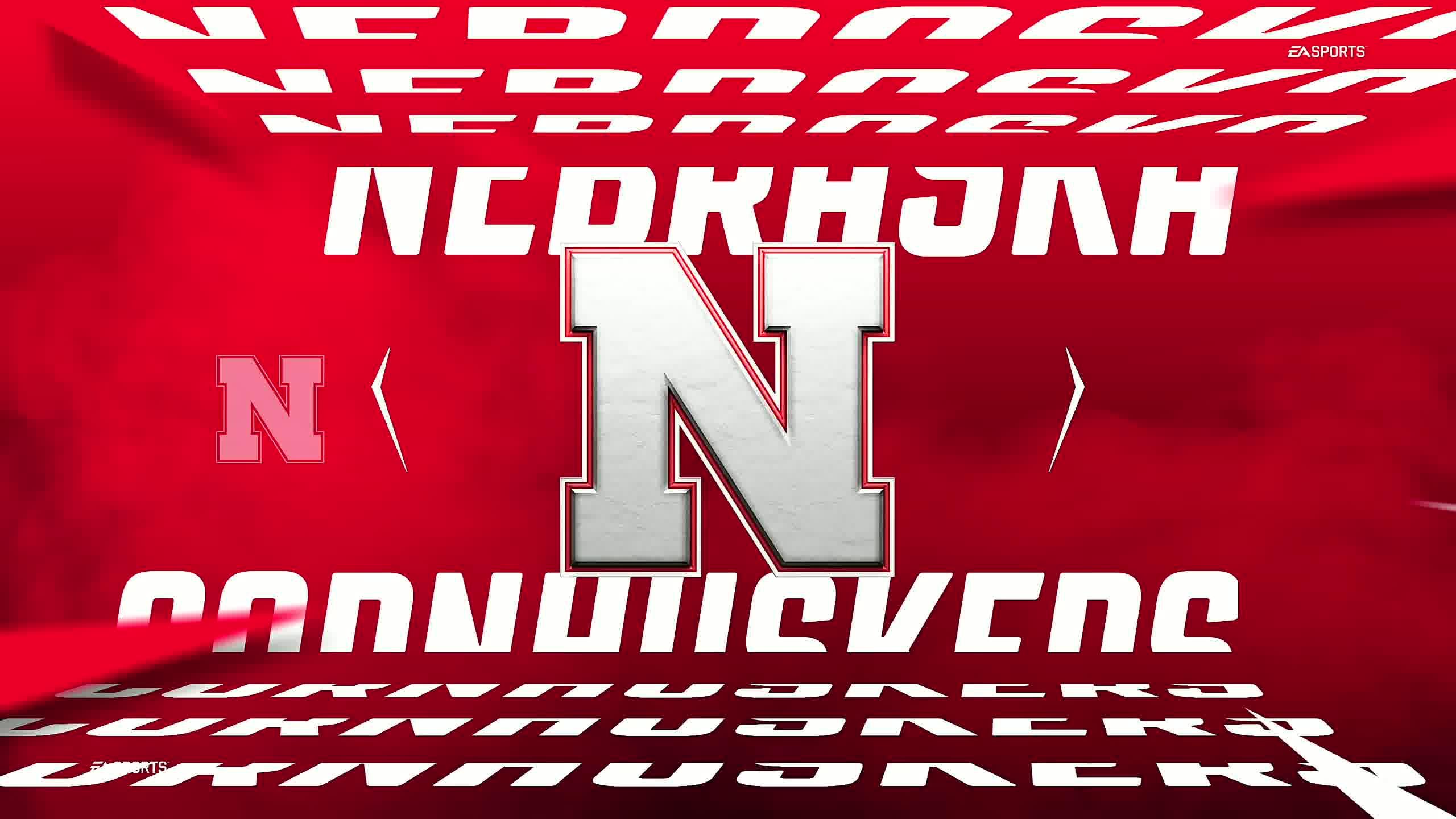 0 Comments 0 Shares 58 Views 0 Reviews
 -
A new console generation does not automatically produce better games. Developers have to redesign technology around the available hardware to create experiences that would have been impractical previously. Forza Horizon 6 is an example of what can happen when a racing franchise fully commits to current-generation systems.
Released on May 19, 2026, for PC and Xbox Series X|S, the game eliminates previous-generation hardware from its core design and uses that freedom to increase graphical complexity, world scale, audio simulation, and environmental responsiveness.
The first major improvement is lighting.
Real-time global illumination and ray-traced reflections allow the environment to respond dynamically to changing light. This is especially noticeable in Tokyo City, where countless artificial light sources interact with buildings, vehicles, and road surfaces.
At night, neon advertisements can reflect across polished vehicle panels and wet asphalt. Glass architecture can reproduce elements of the surrounding city, creating a much more complex visual relationship between the player and environment.
Material rendering has also improved.
Modern cars contain a mixture of painted metal, carbon fiber, aluminum, glass, plastic, and other surfaces. Each material should respond differently to light, and the upgraded rendering system allows those distinctions to become more visible.
The game also benefits from increased environmental density.
Its world is approximately 25 percent larger than the previous entry, while Tokyo City represents an enormous expansion of the franchise's urban environments. Five rural biomes surround the city, creating a wide range of scenery.
This scale would be meaningless if the player encountered loading screens every few minutes.
Next-generation streaming technology allows the world to remain connected during high-speed travel. Forests, hills, buildings, and other assets can be streamed dynamically as players approach them.
This is particularly important because Horizon is designed around speed. A player traveling above 200 miles per hour needs to see a convincing world far ahead of the vehicle.
The game's acoustic technology is another major advancement.
Instead of treating sound as a fixed recording attached to a vehicle, the system considers environmental geometry. The same engine can sound different when driven through a narrow alley, a city boulevard, an open plain, or a mountain valley.
Vehicle modifications can also affect the acoustic character.
Exhaust changes, turbocharger upgrades, and other mechanical adjustments can influence the sound generated by the car. This creates stronger feedback between customization and driving.
The environment also affects physical behavior.
The elevation-based map allows temperature and atmospheric conditions to change as vehicles climb into mountain regions. Tire grip and engine air intake efficiency can respond to these changes, adding another layer of environmental simulation.
Weather connects the different systems together.
Rain alters road appearance and produces puddles, while those wet surfaces interact with the lighting system. At the same time, changing conditions can affect the driving environment.
Players interested in progression may come across topics including Forza Horizon 6 Boosting and Forza Horizon 6 Credits, but those systems are secondary to the technical foundation that makes the experience possible.
What defines the game as next-generation is the integration of its individual systems.
Graphics are connected to weather. Weather interacts with surfaces. Surfaces influence reflections. Geography influences physics. Architecture influences sound. Vehicle modifications affect both appearance and acoustics.
None of these features exists entirely in isolation.
That integration is what separates a technical showcase from a genuinely advanced game engine. Forza Horizon 6 demonstrates that modern hardware can support a world where many systems operate simultaneously without sacrificing the sense of continuous exploration.
The result is a racing game that uses hardware not merely to render more detailed cars, but to create a more responsive environment around them.
That is perhaps the most convincing definition of next-generation racing: not simply more pixels, but more meaningful interaction between the player, vehicle, and world.
Explore U4GM’s selection of Forza Horizon 6 modded accounts, featuring instant delivery and safe transactions. Premium and modded FH6 accounts for Xbox, PS5, and PC are available at great prices.
More visit: https://www.u4gm.com/forza-horizon-6/modded-accountsA new console generation does not automatically produce better games. Developers have to redesign technology around the available hardware to create experiences that would have been impractical previously. Forza Horizon 6 is an example of what can happen when a racing franchise fully commits to current-generation systems. Released on May 19, 2026, for PC and Xbox Series X|S, the game eliminates previous-generation hardware from its core design and uses that freedom to increase graphical complexity, world scale, audio simulation, and environmental responsiveness. The first major improvement is lighting. Real-time global illumination and ray-traced reflections allow the environment to respond dynamically to changing light. This is especially noticeable in Tokyo City, where countless artificial light sources interact with buildings, vehicles, and road surfaces. At night, neon advertisements can reflect across polished vehicle panels and wet asphalt. Glass architecture can reproduce elements of the surrounding city, creating a much more complex visual relationship between the player and environment. Material rendering has also improved. Modern cars contain a mixture of painted metal, carbon fiber, aluminum, glass, plastic, and other surfaces. Each material should respond differently to light, and the upgraded rendering system allows those distinctions to become more visible. The game also benefits from increased environmental density. Its world is approximately 25 percent larger than the previous entry, while Tokyo City represents an enormous expansion of the franchise's urban environments. Five rural biomes surround the city, creating a wide range of scenery. This scale would be meaningless if the player encountered loading screens every few minutes. Next-generation streaming technology allows the world to remain connected during high-speed travel. Forests, hills, buildings, and other assets can be streamed dynamically as players approach them. This is particularly important because Horizon is designed around speed. A player traveling above 200 miles per hour needs to see a convincing world far ahead of the vehicle. The game's acoustic technology is another major advancement. Instead of treating sound as a fixed recording attached to a vehicle, the system considers environmental geometry. The same engine can sound different when driven through a narrow alley, a city boulevard, an open plain, or a mountain valley. Vehicle modifications can also affect the acoustic character. Exhaust changes, turbocharger upgrades, and other mechanical adjustments can influence the sound generated by the car. This creates stronger feedback between customization and driving. The environment also affects physical behavior. The elevation-based map allows temperature and atmospheric conditions to change as vehicles climb into mountain regions. Tire grip and engine air intake efficiency can respond to these changes, adding another layer of environmental simulation. Weather connects the different systems together. Rain alters road appearance and produces puddles, while those wet surfaces interact with the lighting system. At the same time, changing conditions can affect the driving environment. Players interested in progression may come across topics including Forza Horizon 6 Boosting and Forza Horizon 6 Credits, but those systems are secondary to the technical foundation that makes the experience possible. What defines the game as next-generation is the integration of its individual systems. Graphics are connected to weather. Weather interacts with surfaces. Surfaces influence reflections. Geography influences physics. Architecture influences sound. Vehicle modifications affect both appearance and acoustics. None of these features exists entirely in isolation. That integration is what separates a technical showcase from a genuinely advanced game engine. Forza Horizon 6 demonstrates that modern hardware can support a world where many systems operate simultaneously without sacrificing the sense of continuous exploration. The result is a racing game that uses hardware not merely to render more detailed cars, but to create a more responsive environment around them. That is perhaps the most convincing definition of next-generation racing: not simply more pixels, but more meaningful interaction between the player, vehicle, and world. Explore U4GM’s selection of Forza Horizon 6 modded accounts, featuring instant delivery and safe transactions. Premium and modded FH6 accounts for Xbox, PS5, and PC are available at great prices. More visit: https://www.u4gm.com/forza-horizon-6/modded-accounts 0 Comments 0 Shares 48 Views 0 Reviews
 -
Madden Ultimate Team has always been built around the idea of creating a dream roster. Players collect items, complete challenges, improve their lineups, and compete against other teams. Madden NFL 27 pushes that concept further with Evos and the introduction of the Ultimate Captain system.
The most important idea behind Ultimate Captain is long-term attachment. In many roster-building systems, early cards eventually become obsolete when higher-rated items arrive. Players can spend time developing a favorite card only to replace it a few weeks later.
The Captain concept attempts to change that relationship.
Players can select one core player to represent their squad from the beginning. Through player-specific objectives and duplicate-item exchanges, the Captain can continue developing. Instead of becoming irrelevant as the season progresses, the card has a path toward higher maximum statistics and an improved archetype.
That creates an important strategic decision. Choosing a Captain is not simply about selecting the highest-rated player available. Players may instead select someone who fits their preferred style.
A run-heavy offense might benefit from a Captain who complements physical football. A pass-oriented player may want a versatile receiver or tight end. Defensive-minded users could choose a player who supports pressure or coverage schemes.
This makes roster construction more personal. Two players can have similarly competitive teams while making completely different choices about which athlete represents their squad.
Evos support the same philosophy. Rather than treating player items as disposable pieces, the system gives users reasons to continue investing in development. Completing objectives creates a progression loop that rewards commitment.
The system can also make early-season decisions more meaningful. Instead of simply asking which card has the highest overall rating, players can consider which items offer the best long-term development potential.
Madden NFL 27's live-service structure strengthens this concept. As the NFL season changes, the Ultimate Team environment changes with it. New player performances, roster developments, injuries, and rating adjustments can all influence the competitive landscape.
This constant movement means a successful Ultimate Team strategy cannot necessarily remain unchanged for an entire season. Players need to monitor their roster, understand new content, and decide when to invest in upgrades.
Resource management naturally becomes part of that process. Some users will earn resources through matches, objectives, and challenges, while others may explore external options involving cheap Mut 27 coins as they plan their squad-building approach.
Regardless of how players manage their resources, the core appeal of Ultimate Team remains customization. The goal is not merely to own a collection of famous NFL players. It is to assemble a roster that reflects a particular football philosophy.
That distinction matters because modern sports games increasingly compete with themselves for players' attention. A mode needs long-term objectives to encourage people to keep returning. Ultimate Captain provides a clear personal objective, while Evos give individual cards a reason to remain relevant.
The system also creates an emotional element. If a player chooses a Captain at the beginning of the season and continues upgrading that athlete for months, the card can become part of the identity of the team.
This is similar to the appeal of Superstar Mode. In Superstar, players develop a virtual athlete. In Ultimate Team, they can develop a virtual squad around a chosen leader.
The combination of the two illustrates a broader design philosophy in Madden NFL 27: progression should feel meaningful.
That philosophy extends beyond Ultimate Team. The game also offers a revamped career experience, expanded portability through Nintendo Switch 2, and live rating updates based on real football data. Each feature is designed to give players a reason to return.
The Ultimate Captain system could ultimately be one of the most important additions because it changes how players think about roster longevity. Instead of automatically replacing yesterday's favorite card, users have an incentive to develop it.
For competitive players, that creates additional strategy. For casual players, it creates a stronger sense of ownership. And for long-term Madden fans, it offers a new way to make an Ultimate Team roster feel like their own.
Get cheap Madden 27 Coins for PS5, Xbox Series X, and PC at U4GM, with excellent discounts, quick delivery, and reliable 24/7 customer service.
https://www.u4gm.com/madden-nfl-27/coins
Madden Ultimate Team has always been built around the idea of creating a dream roster. Players collect items, complete challenges, improve their lineups, and compete against other teams. Madden NFL 27 pushes that concept further with Evos and the introduction of the Ultimate Captain system. The most important idea behind Ultimate Captain is long-term attachment. In many roster-building systems, early cards eventually become obsolete when higher-rated items arrive. Players can spend time developing a favorite card only to replace it a few weeks later. The Captain concept attempts to change that relationship. Players can select one core player to represent their squad from the beginning. Through player-specific objectives and duplicate-item exchanges, the Captain can continue developing. Instead of becoming irrelevant as the season progresses, the card has a path toward higher maximum statistics and an improved archetype. That creates an important strategic decision. Choosing a Captain is not simply about selecting the highest-rated player available. Players may instead select someone who fits their preferred style. A run-heavy offense might benefit from a Captain who complements physical football. A pass-oriented player may want a versatile receiver or tight end. Defensive-minded users could choose a player who supports pressure or coverage schemes. This makes roster construction more personal. Two players can have similarly competitive teams while making completely different choices about which athlete represents their squad. Evos support the same philosophy. Rather than treating player items as disposable pieces, the system gives users reasons to continue investing in development. Completing objectives creates a progression loop that rewards commitment. The system can also make early-season decisions more meaningful. Instead of simply asking which card has the highest overall rating, players can consider which items offer the best long-term development potential. Madden NFL 27's live-service structure strengthens this concept. As the NFL season changes, the Ultimate Team environment changes with it. New player performances, roster developments, injuries, and rating adjustments can all influence the competitive landscape. This constant movement means a successful Ultimate Team strategy cannot necessarily remain unchanged for an entire season. Players need to monitor their roster, understand new content, and decide when to invest in upgrades. Resource management naturally becomes part of that process. Some users will earn resources through matches, objectives, and challenges, while others may explore external options involving cheap Mut 27 coins as they plan their squad-building approach. Regardless of how players manage their resources, the core appeal of Ultimate Team remains customization. The goal is not merely to own a collection of famous NFL players. It is to assemble a roster that reflects a particular football philosophy. That distinction matters because modern sports games increasingly compete with themselves for players' attention. A mode needs long-term objectives to encourage people to keep returning. Ultimate Captain provides a clear personal objective, while Evos give individual cards a reason to remain relevant. The system also creates an emotional element. If a player chooses a Captain at the beginning of the season and continues upgrading that athlete for months, the card can become part of the identity of the team. This is similar to the appeal of Superstar Mode. In Superstar, players develop a virtual athlete. In Ultimate Team, they can develop a virtual squad around a chosen leader. The combination of the two illustrates a broader design philosophy in Madden NFL 27: progression should feel meaningful. That philosophy extends beyond Ultimate Team. The game also offers a revamped career experience, expanded portability through Nintendo Switch 2, and live rating updates based on real football data. Each feature is designed to give players a reason to return. The Ultimate Captain system could ultimately be one of the most important additions because it changes how players think about roster longevity. Instead of automatically replacing yesterday's favorite card, users have an incentive to develop it. For competitive players, that creates additional strategy. For casual players, it creates a stronger sense of ownership. And for long-term Madden fans, it offers a new way to make an Ultimate Team roster feel like their own. Get cheap Madden 27 Coins for PS5, Xbox Series X, and PC at U4GM, with excellent discounts, quick delivery, and reliable 24/7 customer service. https://www.u4gm.com/madden-nfl-27/coins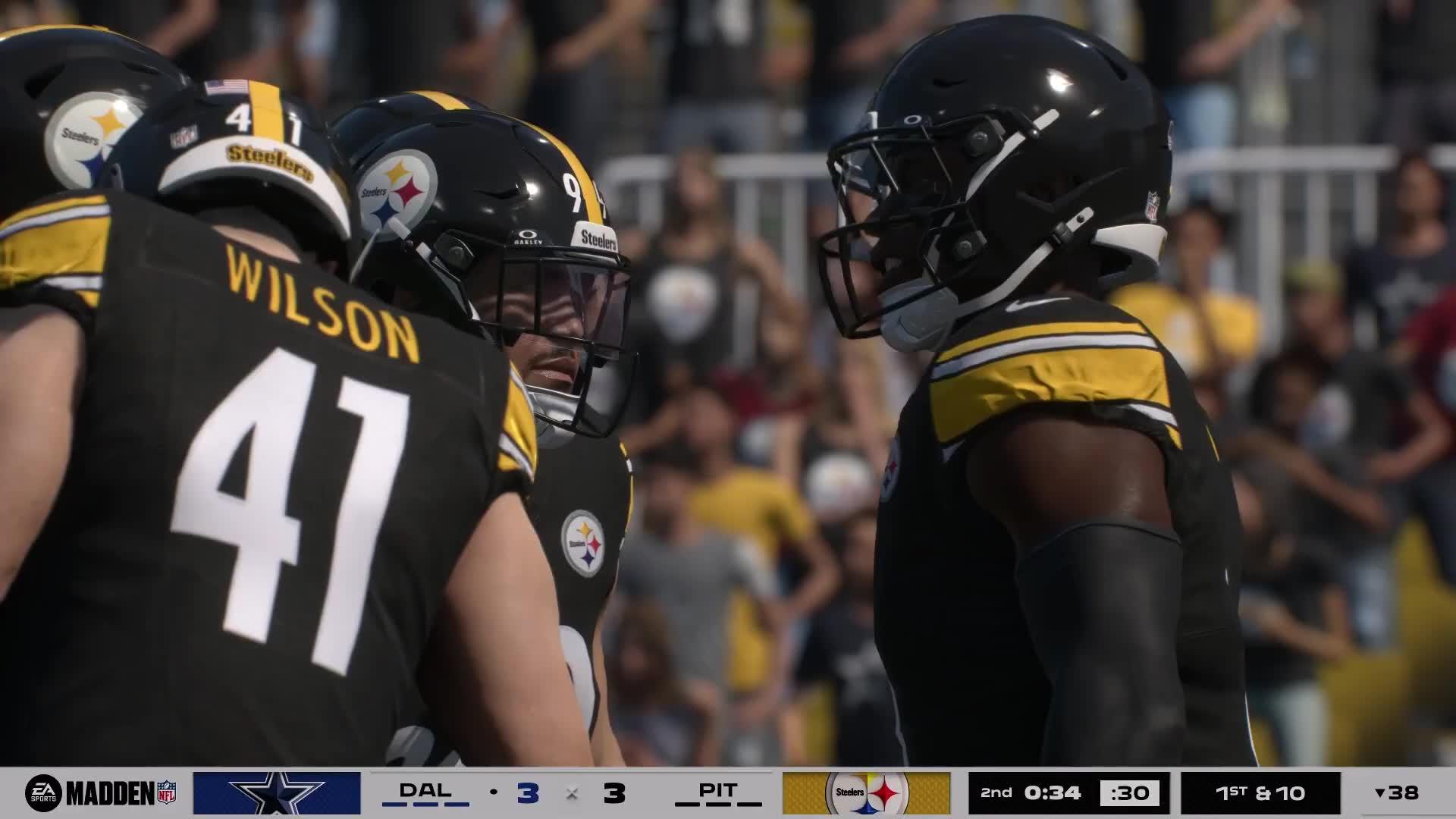 0 Comments 0 Shares 71 Views 0 Reviews
 -
Sports video games have always attempted to mirror real athletes, but the relationship between real-world performance and virtual ratings has traditionally been limited.
Madden NFL 27 pushes that relationship further by embracing analytical data as a major component of its simulation philosophy.
Through connections with Pro Football Focus and Next Gen Stats, the game is designed to reflect changes in real NFL performance. That means virtual players can evolve as the real season develops.
This creates an important distinction between a static roster and a living football simulation.
At launch, players enter the game with established ratings and tendencies. But the NFL does not remain static. Rookies improve, veterans decline, injuries alter roles, and coaching decisions change how players are used.
A dynamic ratings system can represent those developments.
Consider a rookie offensive lineman who begins the season as an unknown quantity. If he consistently performs well in pass protection, his real-world reputation can rise. A game that incorporates updated analytical information can then reflect that improvement.
The same applies to quarterbacks.
Traditional statistics might show how many touchdowns a quarterback throws, but modern analysis can reveal much more. Pressure response, throwing efficiency, movement, and other factors help explain why a quarterback is succeeding.
In a scouting-oriented simulation, those details can matter.
This approach changes how users think about ratings.
An overall number remains useful, but it no longer tells the entire story. A player can be valuable because of specific strengths that match a particular system.
A defensive coordinator might value a cornerback with excellent coverage skills even if another player has a slightly higher overall rating. An offensive coach might prefer a receiver whose route-running profile matches the team's passing concepts.
The game therefore becomes more analytical.
For users building competitive rosters, that can influence how they allocate resources. Some may use buy Mut 27 coins as a way to quickly pursue new roster options, but the analytical nature of the game makes timing and evaluation equally important.
A player who looks undervalued early in the season could become a major asset after several strong performances.
That creates an interesting form of speculation within the virtual league.
The concept resembles what real general managers do. They attempt to identify players whose current performance or underlying abilities suggest future value.
Madden NFL 27 allows users to participate in that process.
This is particularly relevant to Franchise mode.
A general manager cannot simply build a roster based on today's ratings. Long-term planning requires anticipating how players will develop. Younger players may become stars, while established veterans may gradually decline.
The Persona Engine adds another dimension by modeling player behavior and motivations.
Now the user has to evaluate not just physical ability but the likelihood that a player will fit the organization over time.
That makes the scouting process more sophisticated.
A player who produces impressive numbers might still be difficult to retain. Another might accept a smaller role and become a valuable depth piece.
The result is a more realistic representation of roster management.
The real-world connection also creates a compelling viewing experience. Fans can watch an NFL game and immediately understand that what they are seeing may eventually influence Madden.
A breakout performance is no longer just a statistic. It can become a meaningful development in the virtual league.
Save on Madden 27 Coins for PS5, Xbox Series X, and PC with U4GM. Take advantage of great discounts, rapid delivery, and reliable customer support available 24/7.
https://www.u4gm.com/madden-nfl-27/coins
Sports video games have always attempted to mirror real athletes, but the relationship between real-world performance and virtual ratings has traditionally been limited. Madden NFL 27 pushes that relationship further by embracing analytical data as a major component of its simulation philosophy. Through connections with Pro Football Focus and Next Gen Stats, the game is designed to reflect changes in real NFL performance. That means virtual players can evolve as the real season develops. This creates an important distinction between a static roster and a living football simulation. At launch, players enter the game with established ratings and tendencies. But the NFL does not remain static. Rookies improve, veterans decline, injuries alter roles, and coaching decisions change how players are used. A dynamic ratings system can represent those developments. Consider a rookie offensive lineman who begins the season as an unknown quantity. If he consistently performs well in pass protection, his real-world reputation can rise. A game that incorporates updated analytical information can then reflect that improvement. The same applies to quarterbacks. Traditional statistics might show how many touchdowns a quarterback throws, but modern analysis can reveal much more. Pressure response, throwing efficiency, movement, and other factors help explain why a quarterback is succeeding. In a scouting-oriented simulation, those details can matter. This approach changes how users think about ratings. An overall number remains useful, but it no longer tells the entire story. A player can be valuable because of specific strengths that match a particular system. A defensive coordinator might value a cornerback with excellent coverage skills even if another player has a slightly higher overall rating. An offensive coach might prefer a receiver whose route-running profile matches the team's passing concepts. The game therefore becomes more analytical. For users building competitive rosters, that can influence how they allocate resources. Some may use buy Mut 27 coins as a way to quickly pursue new roster options, but the analytical nature of the game makes timing and evaluation equally important. A player who looks undervalued early in the season could become a major asset after several strong performances. That creates an interesting form of speculation within the virtual league. The concept resembles what real general managers do. They attempt to identify players whose current performance or underlying abilities suggest future value. Madden NFL 27 allows users to participate in that process. This is particularly relevant to Franchise mode. A general manager cannot simply build a roster based on today's ratings. Long-term planning requires anticipating how players will develop. Younger players may become stars, while established veterans may gradually decline. The Persona Engine adds another dimension by modeling player behavior and motivations. Now the user has to evaluate not just physical ability but the likelihood that a player will fit the organization over time. That makes the scouting process more sophisticated. A player who produces impressive numbers might still be difficult to retain. Another might accept a smaller role and become a valuable depth piece. The result is a more realistic representation of roster management. The real-world connection also creates a compelling viewing experience. Fans can watch an NFL game and immediately understand that what they are seeing may eventually influence Madden. A breakout performance is no longer just a statistic. It can become a meaningful development in the virtual league. Save on Madden 27 Coins for PS5, Xbox Series X, and PC with U4GM. Take advantage of great discounts, rapid delivery, and reliable customer support available 24/7. https://www.u4gm.com/madden-nfl-27/coins 0 Comments 0 Shares 81 Views 0 Reviews

More Stories